'View of the Hebrews', studied privately by Roberts
ContestedLDS scholars have a real answer here. Say so before your friend does.
The evidence
Two books that were around before 1830
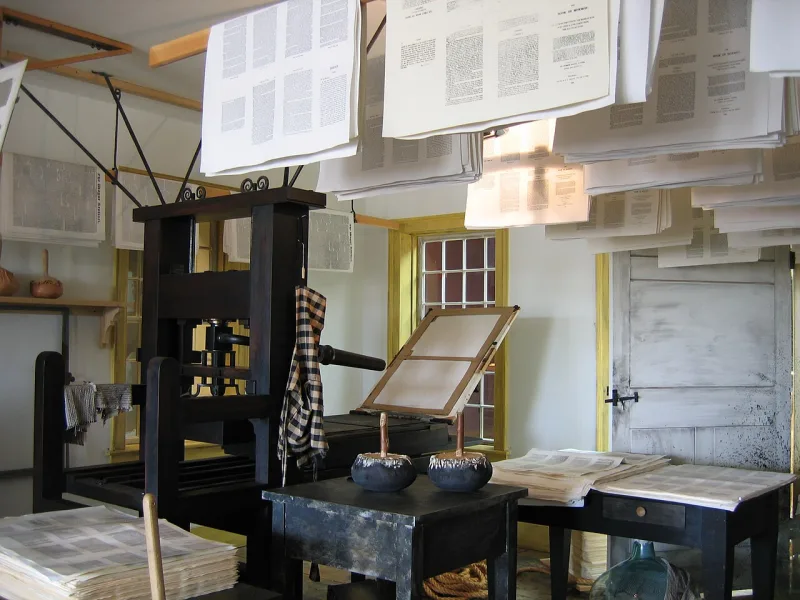
Ethan Smith's View of the Hebrews (1823) argued American Indians descended from the lost tribes of Israel. It was published in the town where Oliver Cowdery's family lived.
And Gilbert Hunt's The Late War (1816) retold the War of 1812 in King James English for schoolchildren.
Who noticed the parallels
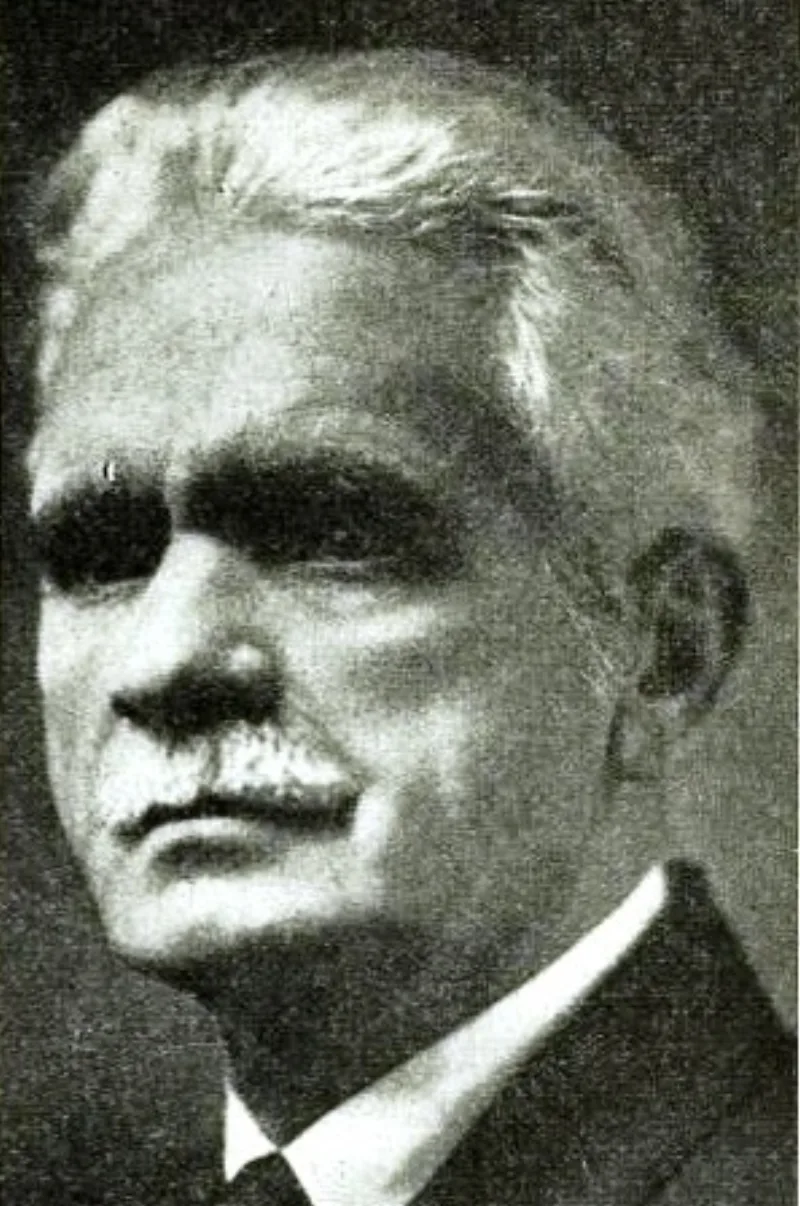
B. H. Roberts, a senior Latter-day Saint leader and historian, privately compiled a 291-page study listing about 26 structural similarities with View of the Hebrews — a divided people, a buried record, and more.
Their answer, at full strength
Roberts drew no conclusion of dependence. He framed the work as questions a believer must be able to answer, and he died affirming the Book of Mormon.
Using him as a witness for the prosecution misrepresents what he said.
How strong is this argument?
Genuinely arguable. Parallels are easy to find and easy to overstate.
The honest version is narrow: these ideas were in the air, in that region, in that decade.
What to say
"Have you read what B. H. Roberts actually wrote? He was one of yours."
How they answer this — at its strongest
Roberts drew no such conclusion, and 75 of the Late War matches are boilerplate.
Three replies. Roberts drew no conclusion of dependence. He framed the work as questions a believer must be able to answer, and he died affirming the Book of Mormon. Using him for the prosecution misstates what he said. There is also no evidence Joseph Smith saw View of the Hebrews before 1830, and he cited it warmly in 1842 as support. That is how a man behaves who found it later.
Second, the likenesses are generic to a whole genre of the 1820s about Hebrew origins for the Indians. The books differ on nearly every point. View of the Hebrews has no Christ, no story and no named people. And the Book of Mormon flatly denies the lost-ten-tribes idea it is built on.
Third, on The Late War, 75 of the 'significant' matches come from the boilerplate copyright pages. The rest is mostly the King James register both books set out to imitate. The method detects 'wrote in biblical English'. The sharpest attack on it came from Ryan Thomas, who does not accept Book of Mormon historicity either.
The verdict
Weak as stated: the ideas were in the air, but copying is not shown.
The direct-source claims are among the weakest material critics use. Hunting parallels across a huge body of books is unreliable. The copyright-page problem in the Johnson study is a real defect. And a critic himself rejects direct literary dependence. Roberts is routinely misused.
What survives is the modest version, and it is well supported. The Book of Mormon is at home in the religious culture of New England in the 1820s. Hebrew origins for the Indians. Anti-Masonic language. The fights over grace and universal salvation behind Alma 40-42.
That shows the ideas were in the air. It does not show copying. The King James and Isaiah dating entries are the strong textual case.
Sources
- B. H. Roberts, Studies of the Book of Mormon (University of Illinois Press, 1985)
- Chris and Duane Johnson, 'The Late War and the Book of Mormon' (n-gram corpus study, 2013)
- Ryan Thomas, 'The Book of Mormon and The Late War: Direct Literary Dependence?' — a non-apologist critic's negative methodological assessment
- MRM, 'The Late War and the Book of Mormon'