Lehi sails with Isaiah chapters not yet written
UnrefutedNo good counter-argument has been published by LDS scholars.
The evidence
The dating problem
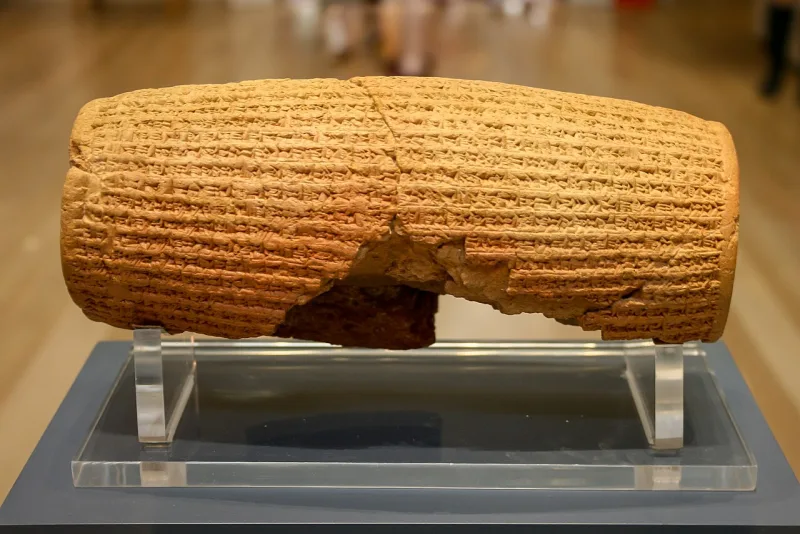
Most scholars think Isaiah 40-55 had a second, unnamed author. They date it to about 545 BC, during the exile in Babylon.
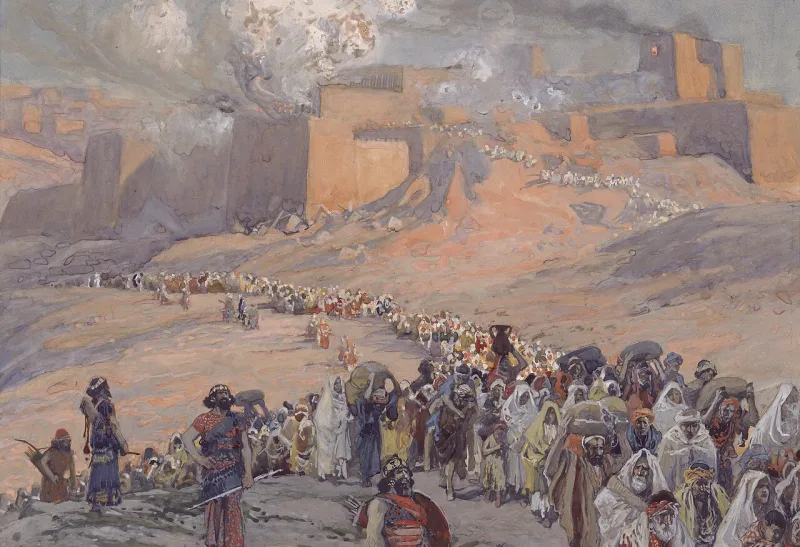
Two reasons. Those chapters treat the exile as already happening.
And they name Cyrus, a Persian king who had not been born in Isaiah's day.
Why that is a problem here
Lehi left Jerusalem around 600 BC, before the exile. So those chapters could not have been on the brass plates he carried.
Yet Nephi, Jacob and Abinadi all quote them at length.
Their answer, at full strength
Two lines. Kevin Barney and FAIR accept the late dating.
They suggest the wording entered during translation — Joseph putting Nephite ideas into the King James Isaiah he knew. Others reject the dating and defend one Isaiah in the 700s BC.
How strong is this argument?
Strong for you. The first answer concedes that part of the text is not ancient.
The second requires overturning two centuries of scholarship — which some conservatives do attempt, and you should say so.
What to say
"If those chapters were written after Lehi left, how were they on his plates?"
How they answer this — at its strongest
Either the wording came in when it was turned into English, or the late dating is wrong.
Two lines of answer, and they pull in opposite ways. Kevin Barney and FAIR accept the scholarly dating. They suggest the material entered during translation. Joseph rendered Nephite ideas in the King James Isaiah his readers knew.
Other defenders reject the dating instead. They argue for one author. Or they argue for an early core of Isaiah 40-55 that could have existed by 600 BC. They also note that late-dating Isaiah partly assumes prophecy cannot predict.
The verdict
Strong for you: both answers cost them a great deal, and one gives up the plates.
The exile dating of Isaiah 40-55 is one of the firmest results in Hebrew Bible study. Trained Latter-day Saint scholars accept it, David Bokovoy among them.
So the defences have to pick. Reject the consensus, which is a large thing to do. Or accept it and move the material into the translation. That second route grants that the plates could not have held those chapters.
It costs a lot. Abinadi's whole sermon is built on Isaiah 53.
Sources
- Colby Townsend, '"The Robe of Righteousness": Exilic and Post-Exilic Isaiah in the Book of Mormon,' Dialogue 55:1 (2022)
- David P. Wright, 'Isaiah in the Book of Mormon' (American Apocrypha, 2002)
- LDS Discussions, 'Deutero-Isaiah in the Book of Mormon'
- Mormonr, 'Deutero-Isaiah' (LDS-side documentation of the problem)