Word-print studies settle nothing, BYU or Rigdon
ContestedLDS scholars have a real answer here. Say so before your friend does.
The evidence
What this is
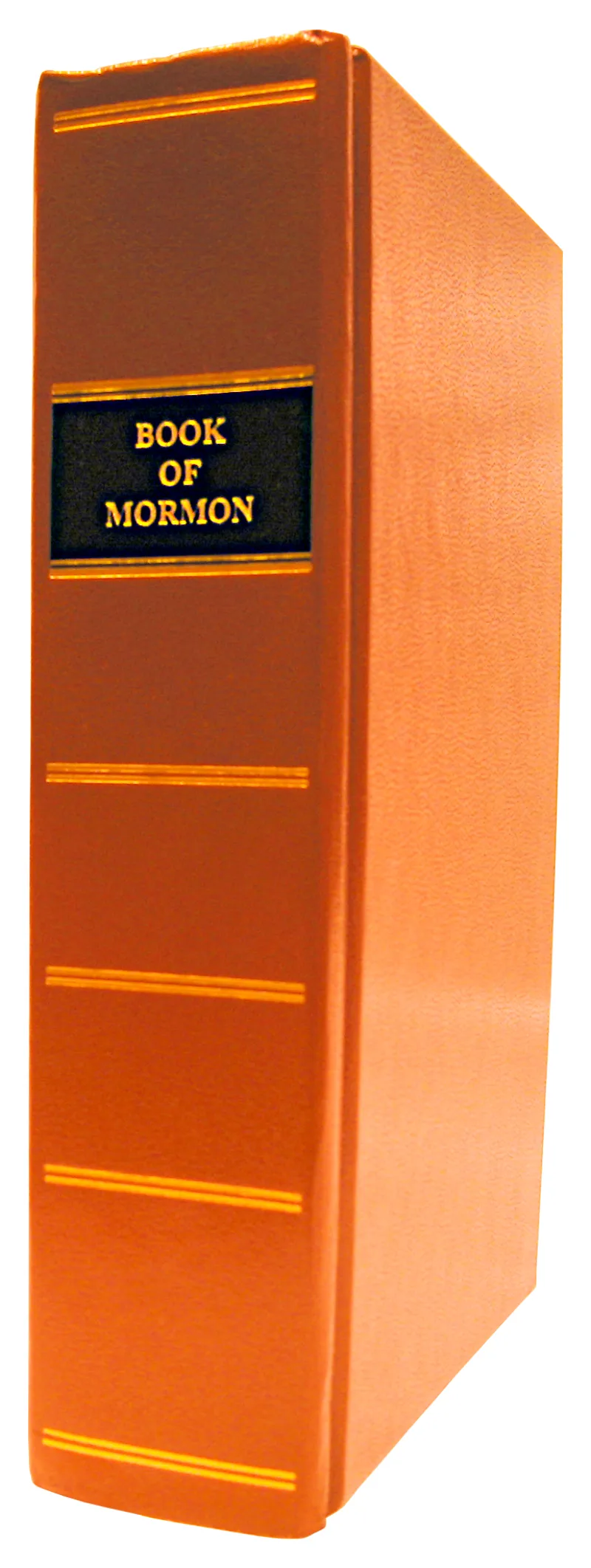
Writers have measurable habits — how often they use small words like of and and. Statisticians have tried to use those fingerprints to work out who wrote the Book of Mormon.
The two bodies of work
BYU studies by Larsen, Rencher and Layton (1980) and Hilton (1990) found the book's internal narrators are statistically distinguishable from each other and from Joseph Smith. Jockers, Witten and Criddle (2008) pointed instead toward Sidney Rigdon and Solomon Spalding.
The flaw that matters
BYU statistician Bruce Schaalje identified it. The Jockers method is a closed-set classifier: it is mathematically obliged to assign every chapter to one of the candidates you feed it.
If the real author is not on the list, it will still return a confident answer.
How strong is this argument?
Genuinely arguable, and honestly neither side settles anything. Do not cite either study as proof — the method is contested enough that both results should be held loosely.
What to say
Nothing. This is a case to know about so you don't get caught using it.
How they answer this — at its strongest
Schaalje showed the method must pick from your list; Rigdon and Spalding scored 0%.
G. Bruce Schaalje, a BYU statistician, and his colleagues found the decisive flaw. The method is a closed-set classifier. Its own maths obliges it to assign every chapter to one of the candidates you give it. Joseph Smith's own writings were largely left out of the pool, while Rigdon and Spalding were put in.
Schaalje extended the method so it could return 'author not in the set', and reran it on the same data. Rigdon and Spalding each scored 0%. The chance of an author outside the set came out at 93%.
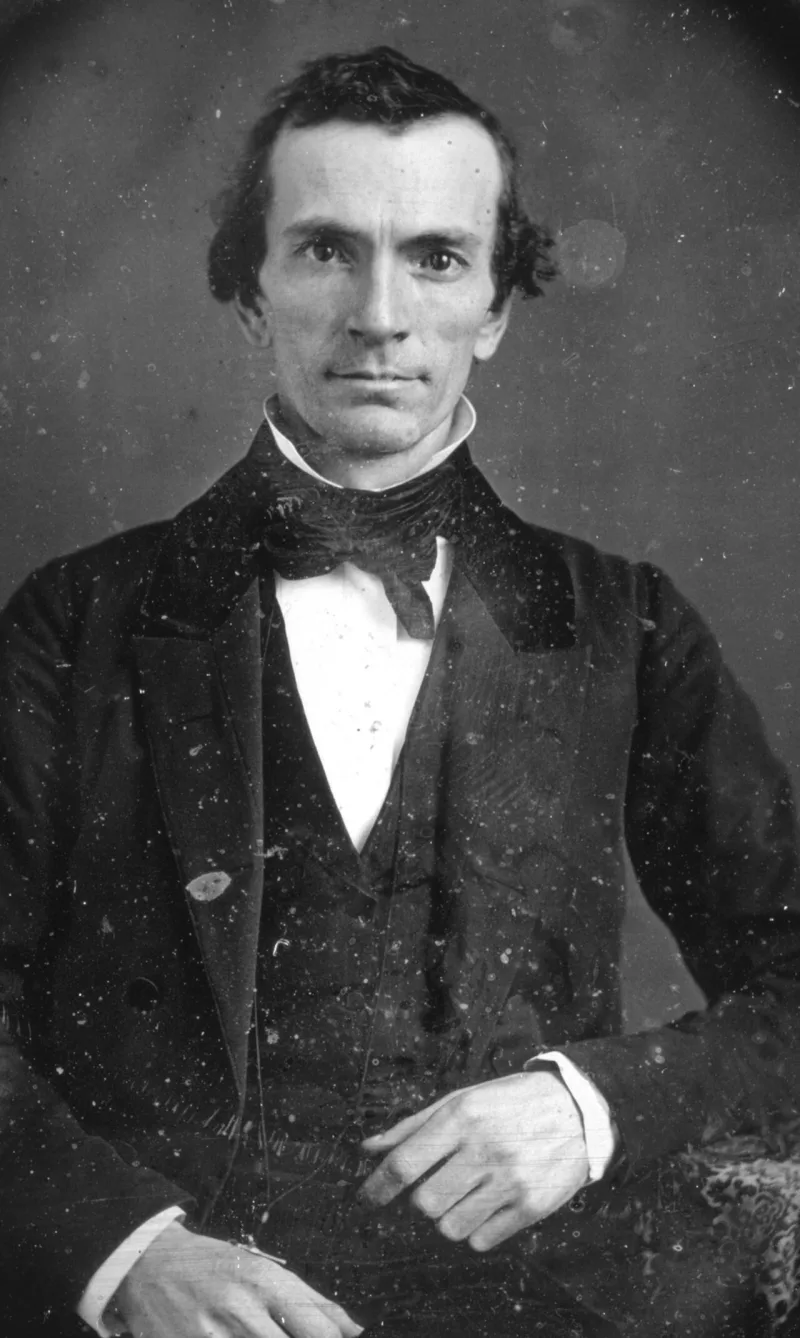
Separately, the Spalding-Rigdon theory is rejected by nearly all historians of Mormonism, believers and non-believers alike. Fawn Brodie and Dan Vogel both reject it. The documents give Rigdon no traceable contact with Smith before late 1830, after the book was printed.
The verdict
Neither side settles this: do not cite either study as proof.
This one is lopsided, and worth using as a lesson in method. The critical study is the weaker one. Schaalje's closed-set objection is correct, and mainstream historians reject Spalding-Rigdon on other grounds. Treat that study as answered.
But the studies on the other side do not therefore win. Telling several voices apart does not tell an ancient author from one writer making distinct characters. That is a known limit of the method on fiction. And the same 'author not in the set' logic cuts against any positive ancient attribution.
Stylometry as now practised cannot settle who wrote the Book of Mormon, in either direction. Discount confident claims from either camp.
Sources
- Jockers, Witten, Criddle, 'Reassessing authorship of the Book of Mormon…,' Literary and Linguistic Computing 23/4 (2008)
- Larsen, Rencher, Layton, 'Who Wrote the Book of Mormon? An Analysis of Wordprints,' BYU Studies 20/3 (1980)
- Hilton, 'On Verifying Wordprint Studies,' BYU Studies 30/3 (1990)
- Roper, Fields, Schaalje, 'Stylometric Analyses of the Book of Mormon: A Short History,' JBMS 21/1 (2012)