Sacred underwear, worn day and night for life
ContestedLDS scholars have a real answer here. Say so before your friend does.
The evidence
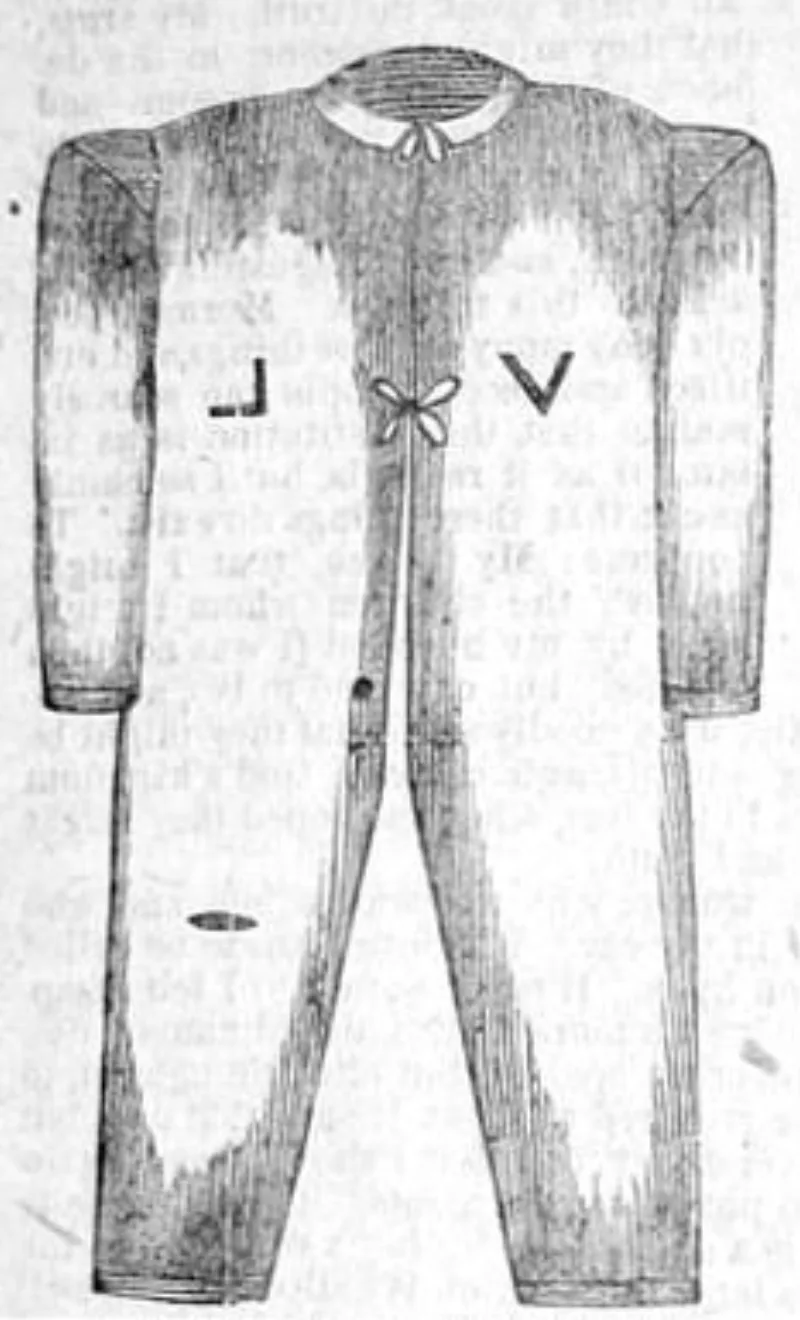
What they are
Endowed members covenant to wear the temple garment — prescribed white underclothing bearing sacred marks. The General Handbook instructs that it be worn "day and night throughout your life" and never altered.
Since 2024 the recommend interview includes a standard statement about it.
Say this before anything else
Do not mock it. "Magic underwear" is the single fastest way to end the conversation, and it deserves to end.
This is sacred to the person in front of you and it is personal.
Their answer, at full strength
That it is a private reminder of covenants made in the temple — no stranger than a nun's habit, a priest's collar, a Jewish prayer shawl or a Muslim skullcap. That comparison is fair.
The question worth asking
Not whether clothing can be sacred — plainly it can. Whether daily clothing should be a condition of standing before God, and where Scripture prescribes that for ordinary believers.
What to say
"I'm not going to make fun of it. Can I ask what it means to you?"


How they answer this — at its strongest
It reminds them of covenants, much as a habit, a collar or a prayer shawl would.
The church presents the garment as a private, personal reminder of covenants made in the temple. It offers the parallel of the nun's habit, the priest's cassock, the Jewish prayer shawl, and the Muslim skullcap. All are 'part of a rich tapestry of human devotion to God'.
The church notes that the tzitzit has the same stated purpose. Numbers 15:39 says the fringes are there 'that ye may look upon it, and remember all the commandments of the LORD'.
Wearing it is framed as keeping a covenant freely made, not as a claim that clothing saves. And the statement in the recommend interview is read as being answerable for a covenant, not as legalism.
The verdict
A minor case: the practice deserves respect, so ask about the checkpoint, not the cloth.
The practice, and the 2024 statement in the recommend interview, are documented from the church's own handbook at 38.5. Whether it clashes with Scripture is a question of judgement.
The tzitzit parallel is real in function. Both are a sign for remembering. But the tzitzit belongs to the Mosaic covenant, which Christians hold to be fulfilled.
And the Bible neither commands nor forbids such a practice for the church. So the criticism rests on inference, not on a direct clash. Treat the practice itself with respect.
Sources
- General Handbook 38.5 — Temple Garment
- Church — Temple Garment FAQ
- Salt Lake Tribune — LDS leaders alter temple recommend questions (2024)