Seven weeks from Masonic initiation to the endowment
AdmittedTheir own church publications admit these facts. You can make this point from LDS sources alone.
The evidence
The dates
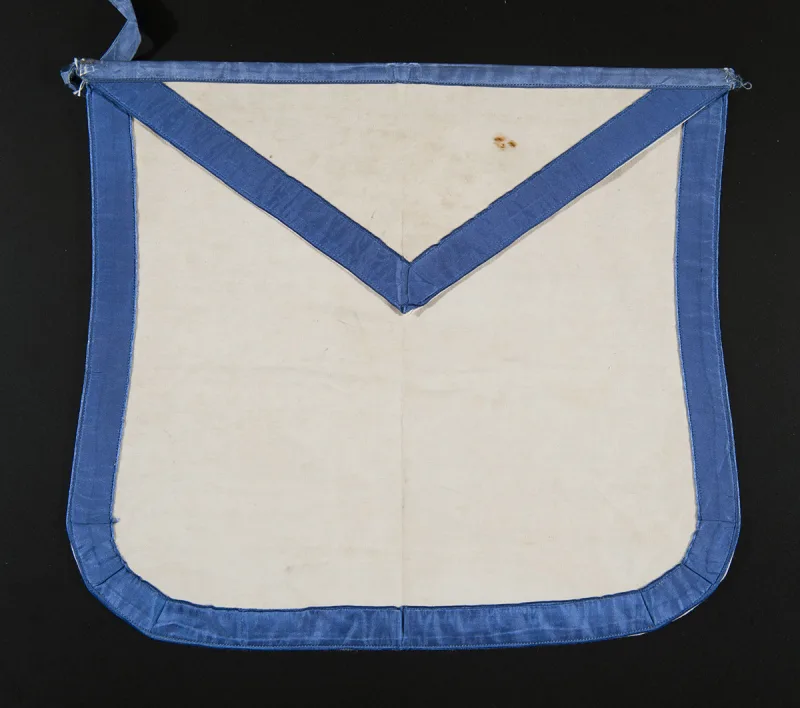
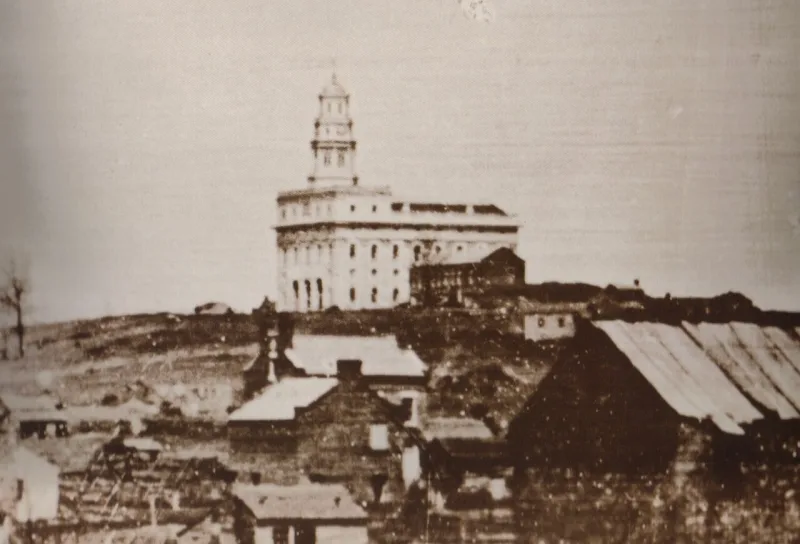
Joseph Smith was initiated into Freemasonry at Nauvoo on 15 and 16 March 1842. He rose to Master Mason in a single day.
Seven weeks later, on 4 May 1842, he introduced the temple endowment. The first nine men to receive it were all Masons.
The church's own history essay acknowledges this.
What the two shared
Tokens, which are grips. Signs.
Key words. Ritual penalties miming the cutting of the throat and the opening of the body.
The five points of fellowship. And the compass and square.
The penalty oaths and the five points were removed from the ceremony in April 1990.
Say this first
This is sacred to the person you are talking to. Do not smirk about it, and do not ask them to describe what they covenanted not to describe.
Ask about the history, which is public.
Their answer, at full strength
The church and FAIR grant the parallels and separate form from substance. Masonry was a catalyst for revelation — a familiar ritual language Joseph used to teach covenants that were genuinely revealed.
The content has no Masonic counterpart: creation, fall, redemption, and covenants of consecration. Unlike Masonry it was given to women, and to the weakest of the Saints.
The ritual is the vehicle, not the endowment itself, so revising it in 1990 and 2019 is continuing revelation rather than damage control. And the temple is sacred, not secret.
The teachings are published; only certain signs and tokens are withheld, as Jesus held some things back in Mark 4:34 and John 16:12.
How strong is this argument?
They admit the facts, and the catalyst reading is a fair theological move. It interprets those facts; it does not deny them.
Notice one thing. The older apologetic — that the endowment was preserved from Solomon's temple — has quietly been dropped.
Set the dates beside John 18:20, where Jesus says "in secret have I said nothing."
What to say
"He became a Mason in March and gave the endowment in May. How do you read those dates?"
How they answer this — at its strongest
Masonry was a catalyst. It gave him a ritual language for covenants God had given.
The church and FAIR grant the parallels, but separate form from substance. Masonry served as a catalyst. It gave Joseph a ritual language his hearers knew, in which to teach covenants that were truly revealed.
The content of the endowment has no match in Masonry. Creation. Fall. Redemption. And covenants of consecration. Unlike Masonry, it was given to women, and to 'even the weakest of the Saints'.
FAIR argues that the rite is the vehicle, not the endowment itself. So changing it, in 1990 and in 2019, is revelation going on rather than damage control.
And the temple is sacred, not secret. Its teachings are in print. Only certain signs and tokens are held back by covenant. Jesus too held some things back from the crowd, at Mark 4:34 and John 16:12.
The verdict
They admit the dates: the catalyst reading reads those facts, it does not deny them.
The facts are documented, and the church's own essay effectively concedes them. Masonic initiation on 15 and 16 March 1842. The endowment seven weeks later, on 4 May. The shared elements. And the removal of the penalty oaths and the five points in April 1990.
The catalyst framing interprets those facts rather than rebutting them.
Note one thing more. The older defence, that the endowment was preserved from Solomon's temple, has quietly been dropped.
Sources
- Church History Topics — Masonry
- MRM — Masonry and the Mormon Temple Endowment Ceremony
- CES Letter — Temples & Freemasonry
- FAIR — The temple endowment and Freemasonry