'Plain and precious' parts cut from the Bible
ContestedLDS scholars have a real answer here. Say so before your friend does.
The evidence
The claim that makes a restoration necessary
1 Nephi 13 says a "great and abominable church" deliberately took from the gospel "many parts which are plain and most precious, and also many covenants." If the Bible was gutted, something has to replace it.
Why it is testable
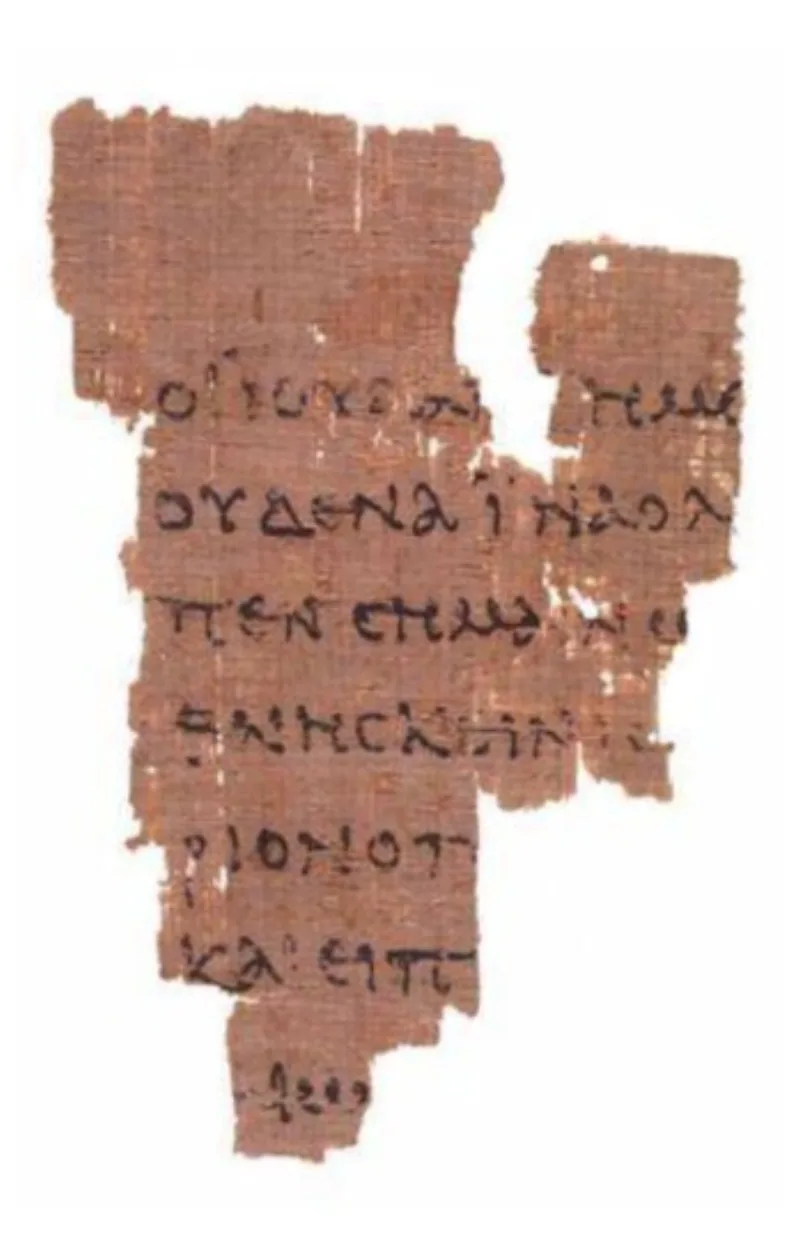
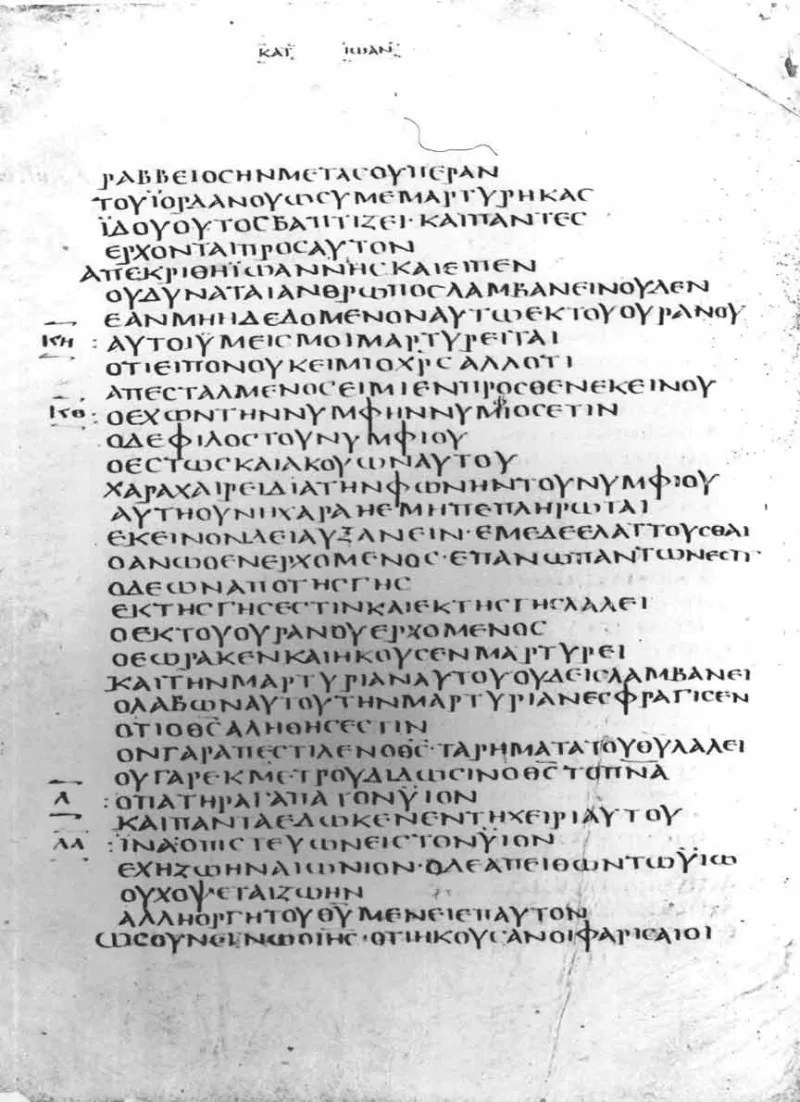
Because we have the copies. Thousands of them, from before and across that whole span.
In Greek, Latin, Syriac and Coptic. Made in places that never spoke to each other.
What they show
No sign of a coordinated removal. Variants exist and are catalogued, but they are spelling, word order, and a handful of footnoted passages.
Nothing doctrine rests on.
Their answer, at full strength
FAIR and Scripture Central move the loss earlier — to the first or second century, before our oldest full copies. If it happened then, the copies could not show it.
That is a real answer. It is also one that no evidence could ever count against.
What to say
"If it was removed before our oldest copies, what evidence could ever count either way?"
How they answer this — at its strongest
If it happened before our oldest copies, then no copy we have could ever show it.
Three replies. Scripture Central and FAIR move the loss earlier, into the first and second centuries. That is before our earliest substantial manuscripts, since most complete New Testament codices are fourth century. If it happened then, uniform later copies cannot rule it out. They cite Bart Ehrman on early changes made for doctrinal reasons.
Second, the loss need not be deletion at all. 1 Nephi 13 mentions covenants as well as plain and precious things. So it could mean lost books the Bible itself names, or lost ordinances, or lost keys to reading.
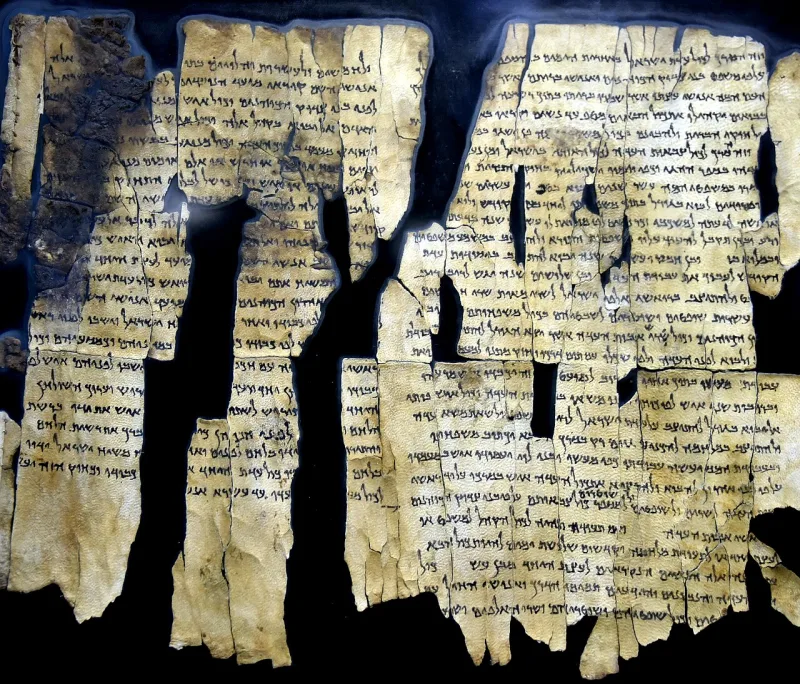
Third, the Dead Sea Scrolls show real fluidity in copying. Jeremiah and Samuel survive there in variant editions.
The verdict
Strong for you on the popular version, but their retreat cannot be tested at all.
The manuscripts settle the popular form of this claim. There was no purge of doctrines out of the Bible after the apostles. The Dead Sea Scrolls close the Old Testament gap. The Great Isaiah Scroll, copied about 125 BC, matches the medieval Hebrew text about 95 percent word for word.
New Testament copying is too early, too spread out and too widely attested for a coordinated cut to leave no trace.
The careful version survives. But it survives only by retreating to where evidence is thinnest, and by becoming untestable. It also gives up the natural reading of 1 Nephi 13, and puts nothing positive in its place.
Sources
- CARM, 'Mormonism and the Corruption of the Bible'
- MRM, 'The Dead Sea Scrolls' (on LDS use of the scrolls)
- Probe Ministries, 'The Dead Sea Scrolls Shed Light on the Accuracy of our Bible'