Alma 7:10 says Jesus was born at Jerusalem
ContestedLDS scholars have a real answer here. Say so before your friend does.
The evidence
The verse
Alma 7:10 prophesies that Jesus "shall be born of Mary, at Jerusalem which is the land of our forefathers." The Bible says Bethlehem — Micah 5:2 predicts it, Matthew 2 and Luke 2 report it.
Their answer, at full strength
And this one is good. The verse says the land of our fathers, not the city.
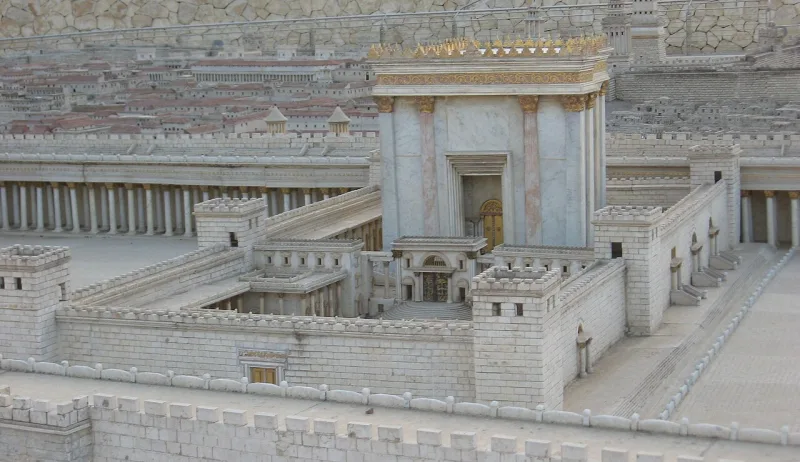
The Book of Mormon uses "the land of Jerusalem" more than forty times for the whole region. Bethlehem is five miles away.
An Egyptian letter from the 1300s BC even calls Bethlehem part of the land of Jerusalem.
How strong is this argument?
Genuinely arguable, and this is one where the Latter-day Saint answer is stronger than most critics admit. Do not lead with it.
Why this helps you
Give away a weak argument openly and you earn a hearing on the strong ones. The papyri.
The italics. The Isaiah dating.
What to say
"I've heard this one used against you and I don't think it works. Can I ask about something that does?"
How they answer this — at its strongest
The verse says the land, not the city, and Amarna letter EA 287 uses it the same way.
Three replies, and this is one of the better sets. The verse says 'at Jerusalem which is the land of our forefathers'. Land, not city. The Book of Mormon uses 'land of Jerusalem' more than forty times for the whole region Lehi left. Its writers were six centuries and an ocean away from Judean village geography.
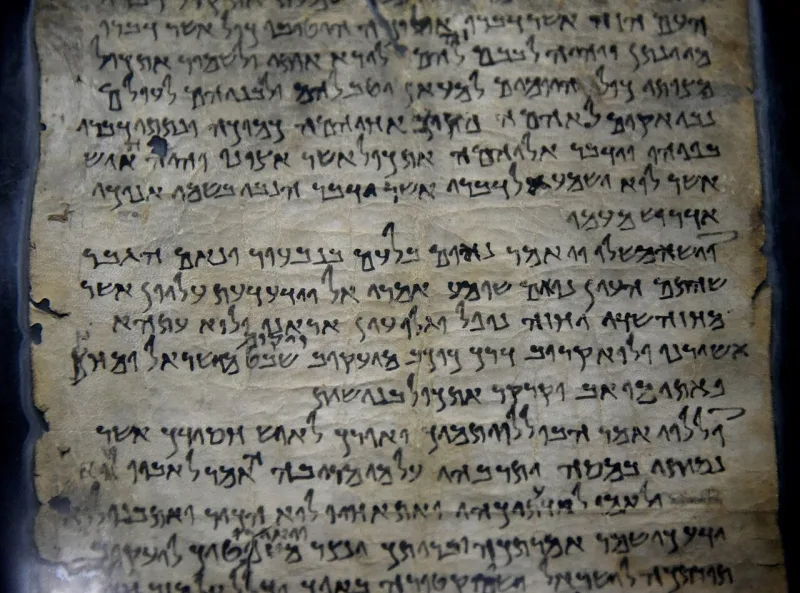
Second, that phrasing is genuinely ancient. Amarna letter EA 287, from the fourteenth century BC, speaks of towns of the land of Jerusalem. A Dead Sea Scroll fragment says Jeremiah was taken captive from the land of Jerusalem. Neither was knowable in 1829.
Third, Bethlehem is five miles away, well inside any such land.
The verdict
One of their strongest replies: say so plainly, and do not lead with this case.
This is among the strongest Latter-day Saint replies in the whole section, and Christians should say so plainly. The verse's own wording, the steady land-versus-city usage, and the genuinely ancient parallels give it real footing.
The counters keep some bite. The parallels are regional usages in other settings. And a nineteenth-century writer being loose explains the same data. Neither side closes it.
Note too that even on the critical reading this is an imprecision, not a clash of doctrine. That is why it is graded low.
Sources
- Mormonism Research Ministry, 'Was Jesus Born "at Jerusalem"?'
- MRM, '"The Land of Jerusalem" and the Dead Sea Scrolls' (rebuttal of the LDS reply)
- MRM, 'Do the Amarna Letters support Alma 7:10?'