Half a witness: 'the deficiency of a woman's mind'
AdmittedThe facts sit in Islam's own trusted sources. You can make this point from their books alone.
The evidence
The two rules
Quran 2:282 asks for two male witnesses to a debt contract, or one man and two women, "so that if one errs, the other can remind her." Quran 4:11 gives a daughter half a son's share of an inheritance.
The stated reason
The reason is given in the hadith, not by critics. "Is not the witness of a woman equal to half that of a man?...
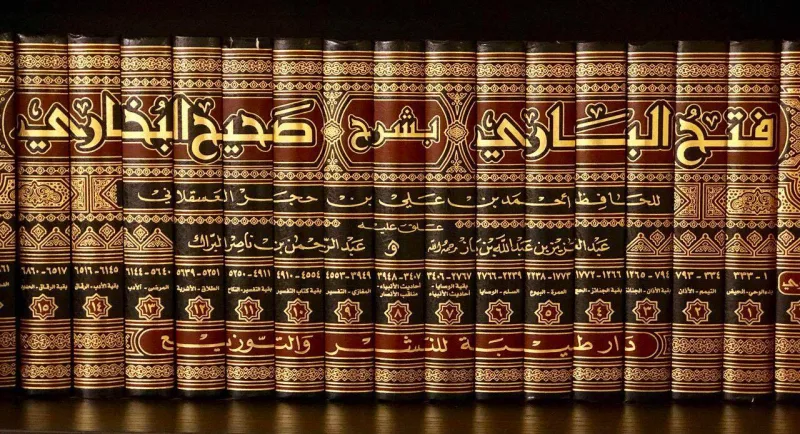
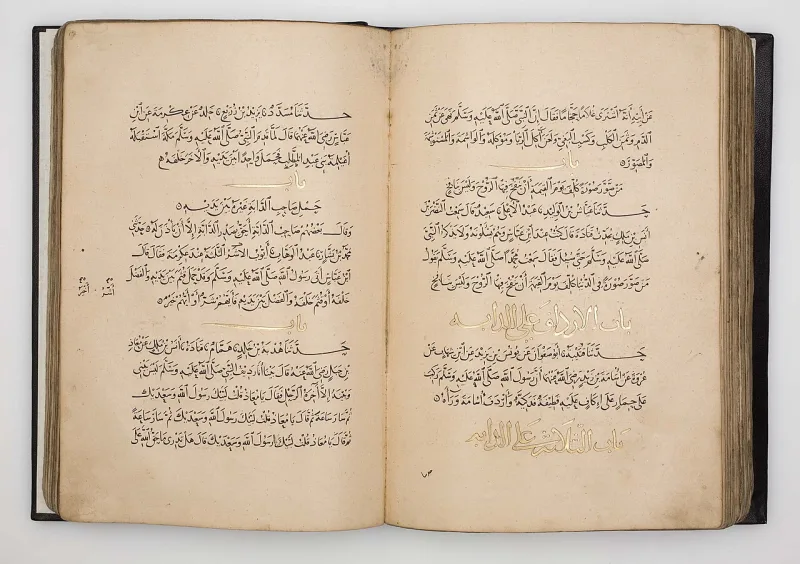
This is because of the deficiency of a woman's mind" (Sahih al-Bukhari 2658). Sahih al-Bukhari 304 calls women deficient in intelligence and religion, and the majority of the dwellers of Hell-fire.
What Scripture does instead
Male and female together are God's image (Genesis 1:27). The first commissioned witnesses of the risen Christ were women (Luke 24:9-11) — testimony that was legally worthless in that culture, and preserved anyway.
In Christ "there is no male and female" (Galatians 3:28).
The Muslim answer, at full strength
IslamQA 111867 explains the deficiency as limited in scope, not essential. The witness rule concerns money contracts that women then rarely handled, so a second woman guards against inexperience.
The religion deficiency refers only to being excused from prayer and fasting during menstruation. Inheritance shares reflect duty, not worth: men must pay the mahr and maintain the family, so a sister's free half can be worth more than a brother's committed whole.
Modern scholars add that Quran 24:6-9 lets a woman's word stand alone.
How strong is this argument?
They admit the texts, and the softer readings collide with the sources. Sahih al-Bukhari 2658 grounds the rule in deficiency of mind, not in commercial inexperience.
The economics answer does not touch the line about Hell-fire. Classical law applied the half-witness rule far beyond finance, and states using sharia apply it now.
The honest debate left is whether the arrangement demeans, and the stated reason settles that.
What to say
"The first people to see Jesus alive were women, and the Gospels kept their names. Does that surprise you?"
How they answer this — at its strongest
They say the rules fit money contracts and family duty, not a woman's worth.
IslamQA 111867 and classical commentators explain the deficiency as limited in scope. It is not built into her nature. The witness rule concerns money contracts that women then rarely handled. A second woman guards against a slip born of inexperience. The deficiency in religion refers only to being excused from prayer and fasting during menstruation. That is an excused lack, not a blameworthy one.
The inheritance halves reflect money, not worth. Men carry required duties toward women. They must pay the mahr, the bridal gift, and keep the family. So a sister's free half can be worth more than a brother's committed whole. Modern Muslim scholars add that 2:282 is trade procedure, tied to its setting. They note other settings where a woman's word stands alone (24:6-9).
The verdict
Strong for you: the stated reason in Bukhari settles the debate.
The texts and their legal force are not disputed. The defences reinterpret the motive, not the content. And the softening glosses collide with the sources. Bukhari 2658 grounds the witness rule in deficiency of mind. It does not ground it in trade inexperience. The money defence does not touch the line about the majority of the dwellers of Hell-fire.
Classical fiqh, that is Islamic law, applied the half-witness rule far beyond money. States that apply sharia apply it now. Islam's most trusted hadith and mainstream fatwa bodies affirm the substance. That is why this is admitted. The honest debate left is whether the arrangement demeans, and the stated reason settles that.
Sources
- Sahih al-Bukhari 2658
- Sahih al-Bukhari 304
- Wikipedia — Status of women's testimony in Islam
- IslamQA 111867 — Meaning of the lack in reason and religion in women
- Quran 2:282 (text)