Mary given Miriam's family, 1,400 years apart
UnrefutedNo good counter-argument has been published by Muslim scholars.
The evidence
What the Quran calls Mary
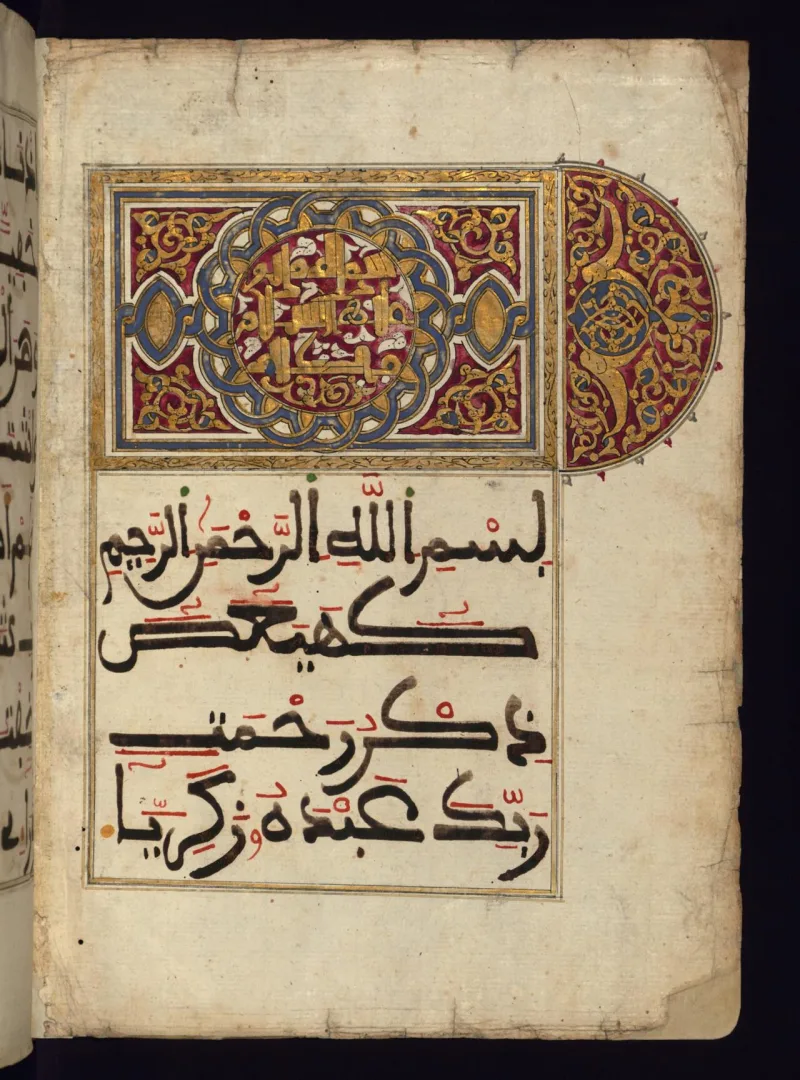
Quran 19:28 calls Mary, the mother of Jesus, "sister of Aaron." Quran 3:35 calls her mother the wife of Imran. Quran 66:12 calls Mary the daughter of Imran.
Whose family that is
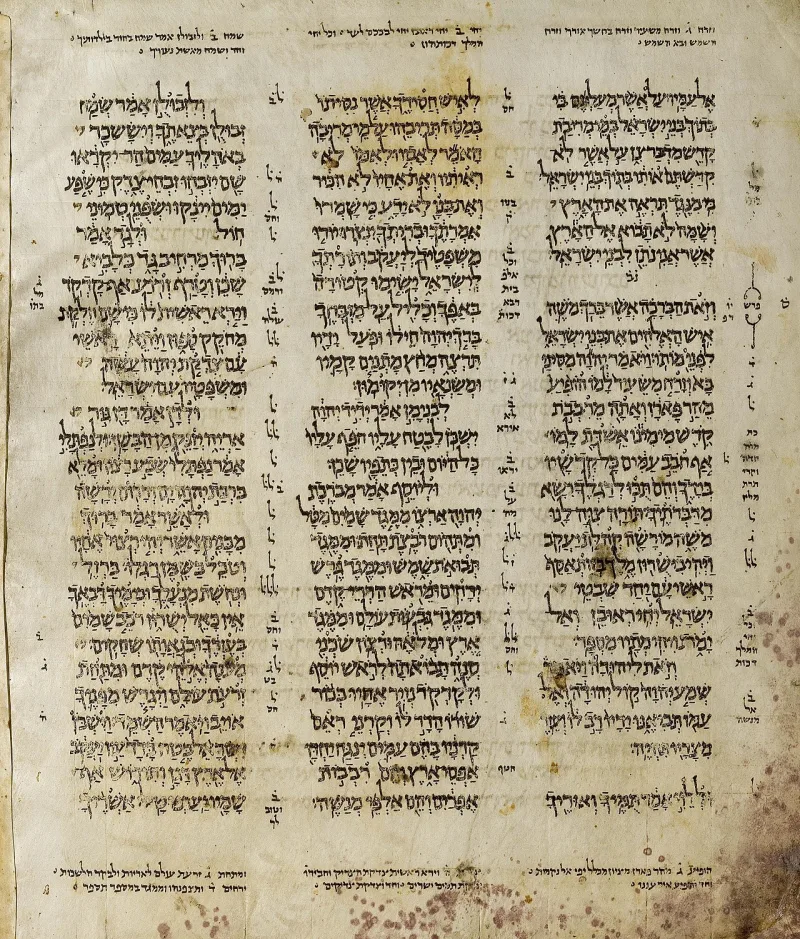
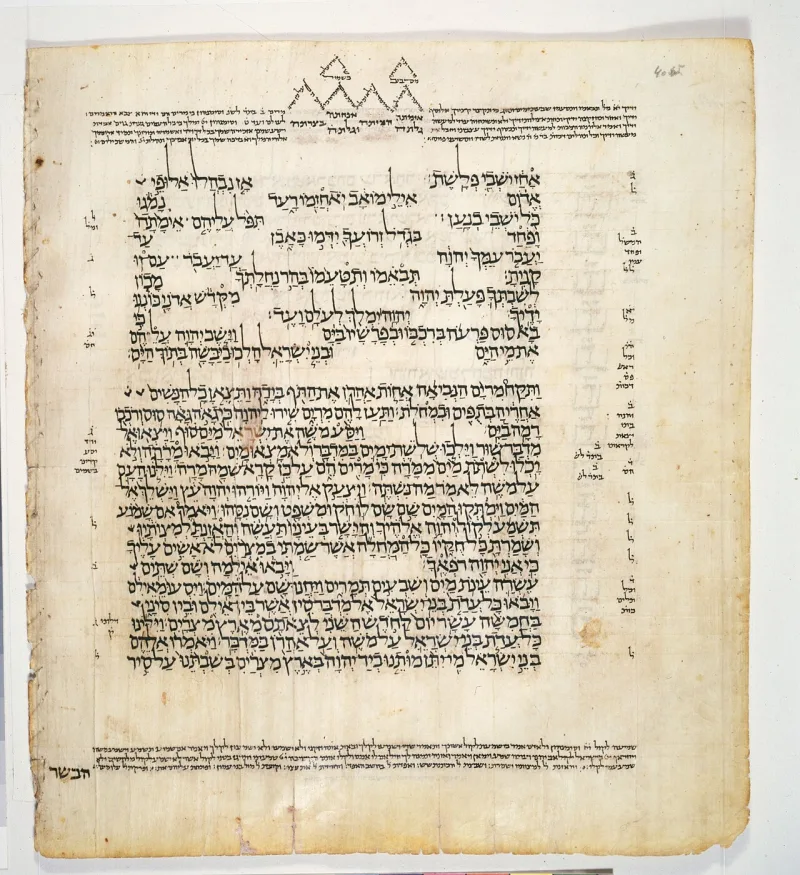
That is Miriam's family in the Bible. Miriam was the daughter of Amram, which is Imran in Arabic, and the sister of Aaron and Moses (Exodus 15:20; Numbers 26:59).
She lived about 1,400 years before Mary. The two women share a name as well: Maryam and Miriam.
The objection is as old as Islam
This is not a modern complaint. In Sahih Muslim 2135, Christians of Najran put it to Mughira ibn Shu'ba.
He had no answer and asked Muhammad. The reply was that people "used to give names after the names of Apostles and pious persons before them."
The Muslim answer, at full strength
Muhammad's own recorded answer is the defence, and it is a real one. Semitic speech ties people to revered ancestors.
Sister of Aaron can mean a woman of the priestly line. Luke 1:5 calls Elizabeth one "of the daughters of Aaron," and Mary was her kinswoman.
Daughter of Imran can mean descent from that house, and Surah 3 is named the Family of Imran.
How strong is this argument?
Strong for you, but concede the idiom first. Luke 1:5 shows the idiom exists.
The trouble is that three things converge, not one: the father Imran, the brother Aaron and the same name. Quran 3:35-36 also tells the birth of Mary to Imran's wife as one continuous story.
What to say
"The Christians of Najran asked Muhammad about this verse. May we look at what they asked?"
How they answer this — at its strongest
They say sister of Aaron means her priestly line, as Luke 1:5 shows.
The Prophet himself answered this in Sahih Muslim 2135, and Abu Amina Elias develops the answer. Semitic naming custom tied people to honoured ancestors. Sister of Aaron means a woman of the Aaronic, or priestly, line. Compare Luke 1:5, which calls Elizabeth one of the daughters of Aaron, and Mary was her kinswoman.
Daughter of Imran likewise marks descent from the house of Imran, or Amram. Surah 3 is named the Family of Imran, which signals the language of lineage. So there is no confusion here, only idiom.
The verdict
Strong for you, but grant the idiom first: three things line up, not one.
The steelman is real, since Luke 1:5 shows the tribal-descent idiom exists. But it does not cover the evidence. The Quran never uses sister of X as a lineage idiom anywhere else. It does not merely tie Mary to Aaron. It gives her the whole Exodus family — father Imran, brother Aaron, and the same name.
And 3:35-36 tells of Imran's wife giving birth to Mary as one running story. A lineage idiom explains one item, not three that converge. That 7th-century Christians spotted the difficulty, and that it needed a recorded answer, confirms that the natural reading was and is the problem.
Sources
- Sahih Muslim 2135
- Answering Islam — Is Mary the Sister of Aaron?
- Abu Amina Elias — Why Mary is called sister of Aaron