3 Nephi quotes a line scribes added later
ContestedLDS scholars have a real answer here. Say so before your friend does.
The evidence
What 3 Nephi contains
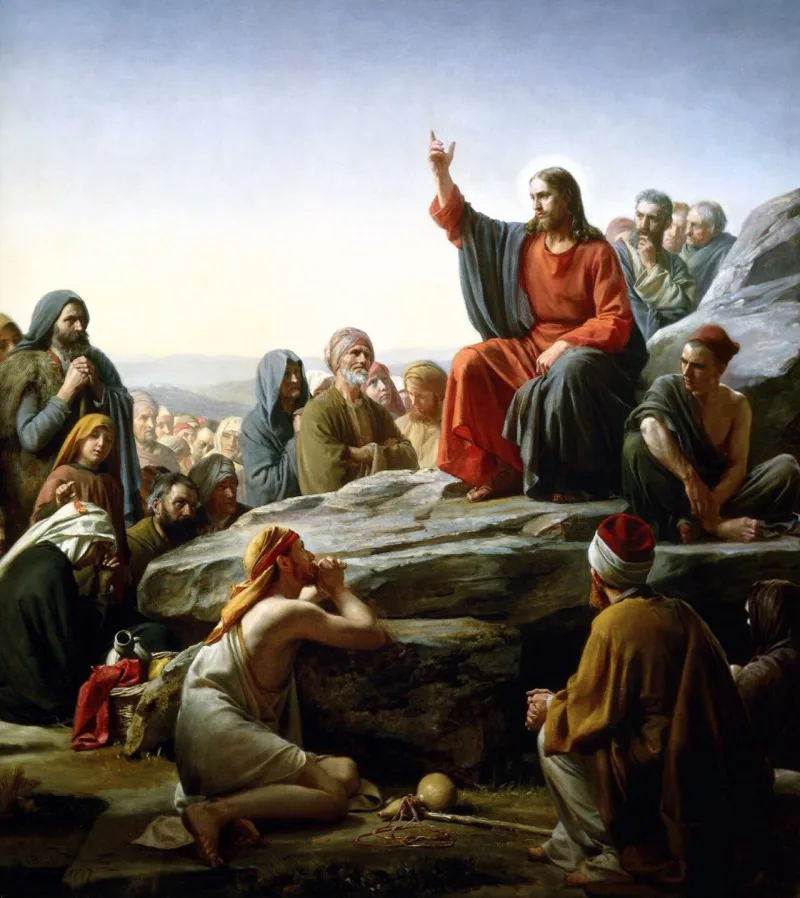
3 Nephi 12-14 gives the Sermon on the Mount to the Nephites. It is near-verbatim King James English, matching Matthew 5-7.
What Stan Larson found
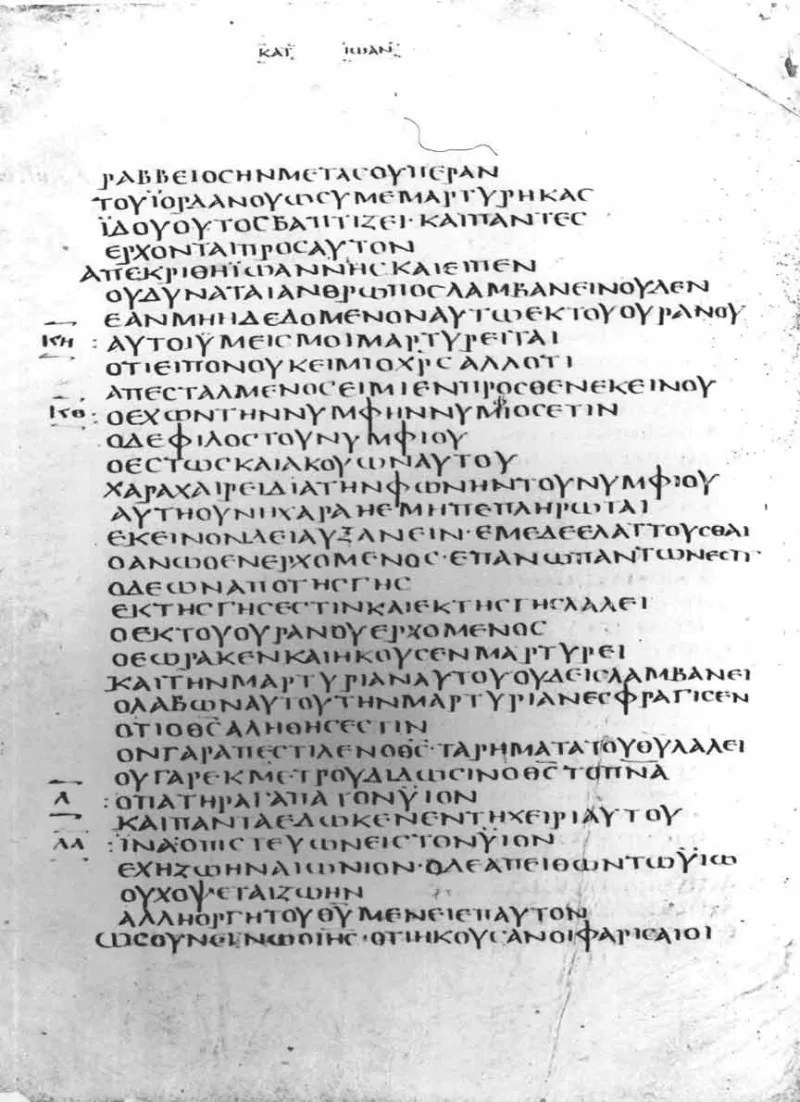
Eight places where 3 Nephi follows late Greek manuscripts that scholars judge to be later additions. The clearest is the close of the Lord's Prayer at 3 Nephi 13:13 — "For thine is the kingdom, and the power, and the glory, forever." That line is missing from the earliest copies of Matthew 6:13.
The word openly at 3 Nephi 13:4, 6 and 18 is the same kind of case.
Why that matters
A record of Jesus speaking in the New World should not follow scribal additions made between the 300s and the 1500s.
Their answer, at full strength
John Welch of BYU answered at length. Several of Larson's eight are text-critically uncertain rather than settled.
And one runs the other way. 3 Nephi 12:22 drops "without a cause," agreeing with the earliest manuscripts against the King James.
Welch also points to deliberate changes for the Nephite setting, which mechanical copying would not produce.
How strong is this argument?
Genuinely arguable. Welch's without a cause point is real, and you should hand it over before anyone asks.
The doxology and openly are still best explained by King James dependence.
What to say
"Why does the Nephite sermon include a line the earliest copies of Matthew don't have?"

How they answer this — at its strongest
Welch shows one variant runs the other way, matching the earliest manuscripts against the King James.
John W. Welch of BYU responded at length. Several of Larson's eight variants are uncertain rather than settled. One runs the other way. 3 Nephi 12:22 leaves out 'without a cause', agreeing with the earliest manuscripts against the King James of Matthew 5:22.
Welch also argues that the King James wording elsewhere reflects the register of the translation. It does not reflect the Nephite record. And 3 Nephi adapts the sermon to its setting on purpose. Mechanical copying would not do that.
The verdict
Arguable both ways: Welch's reverse case is real, but the added prayer line is not.
Welch's reply engages the variants seriously. The missing 'without a cause' at 3 Nephi 12:22 is a real point for them. Hand it over before anyone asks.
The prayer ending at 3 Nephi 13:13 and the word 'openly' are still best explained by King James dependence. Scholars do argue over single cases. The King James register across the whole sermon is not in doubt.
Sources
- Stan Larson, 'The Historicity of the Matthean Sermon on the Mount in 3 Nephi,' in New Approaches to the Book of Mormon (Signature Books, 1993)
- Grant H. Palmer, An Insider's View of Mormon Origins, ch. 3