$32 billion hidden behind 13 shell companies
AdmittedTheir own church publications admit these facts. You can make this point from LDS sources alone.
The evidence
What the SEC found
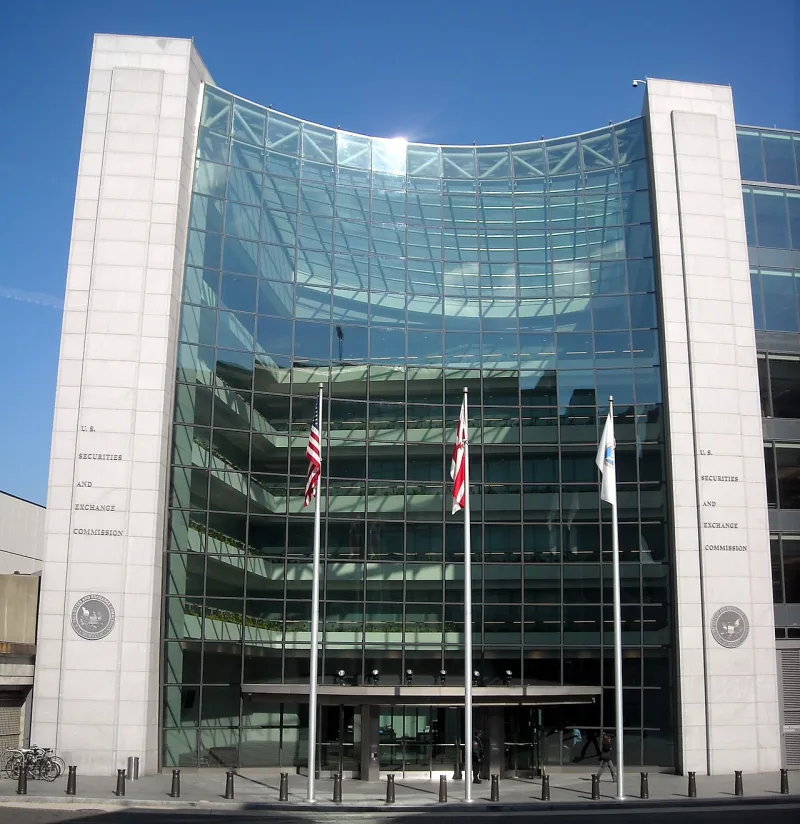
On 21 February 2023 the Securities and Exchange Commission charged the church and its investment arm, Ensign Peak Advisors. The charge was failing to disclose.
From 1997 to 2019, Ensign Peak hid a portfolio of listed shares behind 13 shell companies. Each had a manager in name only.
The forms it filed, called Forms 13F, were wrong. The portfolio grew to about $32 billion.
Why, according to the order
To avoid revealing the church's holdings. The SEC order says this was done with the knowledge and approval of the First Presidency, out of concern about negative publicity.
What it cost
Ensign Peak paid $4 million. The church paid $1 million.
Note what this is and is not. It is a legal finding about candour.
It says nothing about whether any doctrine is true.
Their answer, at full strength
The church says it took legal advice on how to meet the rules while keeping the portfolio private. It cites scripture on keeping sacred gifts quiet, and on not making a show.
It says it regrets the mistakes made. When the SEC first raised a concern in 2019, Ensign Peak changed its filings at once.
It now files one form for the whole fund. And note what the settlement did not allege.
No misuse of funds. No fraud against investors.
No harm to members.
How strong is this argument?
They admit this themselves. The facts are fixed by the SEC order, and by the church's own statement owning the mistakes.
The shell companies and the wish to avoid bad press are in the order. All that is left to argue is what to call it.
What to say
"Why thirteen shell companies? The order says it was about publicity."
How they answer this — at its strongest
The church took legal advice, fixed the filings in 2019, and regrets the mistakes.
The church's official statement says it took legal advice on how to meet the 13F rules while keeping the portfolio private. It cites scripture on keeping sacred gifts quiet and on avoiding show. It says it regrets the mistakes made.
When the SEC first raised a concern in 2019, Ensign Peak changed its filings at once. It now files a single form for the whole fund.
The church stresses what the settlement did not allege. No misuse of funds. No fraud against investors. No harm to members. It was a breach about forms, and the money is still set aside for the church's religious and charitable work.
The verdict
They admit this: the SEC order fixes the facts, so only the name is argued.
The facts are fixed by the SEC order, and by the church's own settlement and public statement owning the mistakes.
The 13 shell companies, the $32 billion, and the wish to avoid bad press are all in the order itself. So is the finding that the First Presidency knew and approved.
All that is left to argue is what to call it. Poor legal advice, or a choice to hide.
Sources
- SEC press release 2023-35 (with link to the administrative order)
- CNBC: 'Mormon church, affiliated nonprofit to pay $5 million to settle SEC charges'
- 2023 SEC charges against the LDS Church and Ensign Peak (survey)