Dropped teachings, and 'never lead the church astray'
ContestedLDS scholars have a real answer here. Say so before your friend does.
The evidence
What prophets have taught and the church later dropped
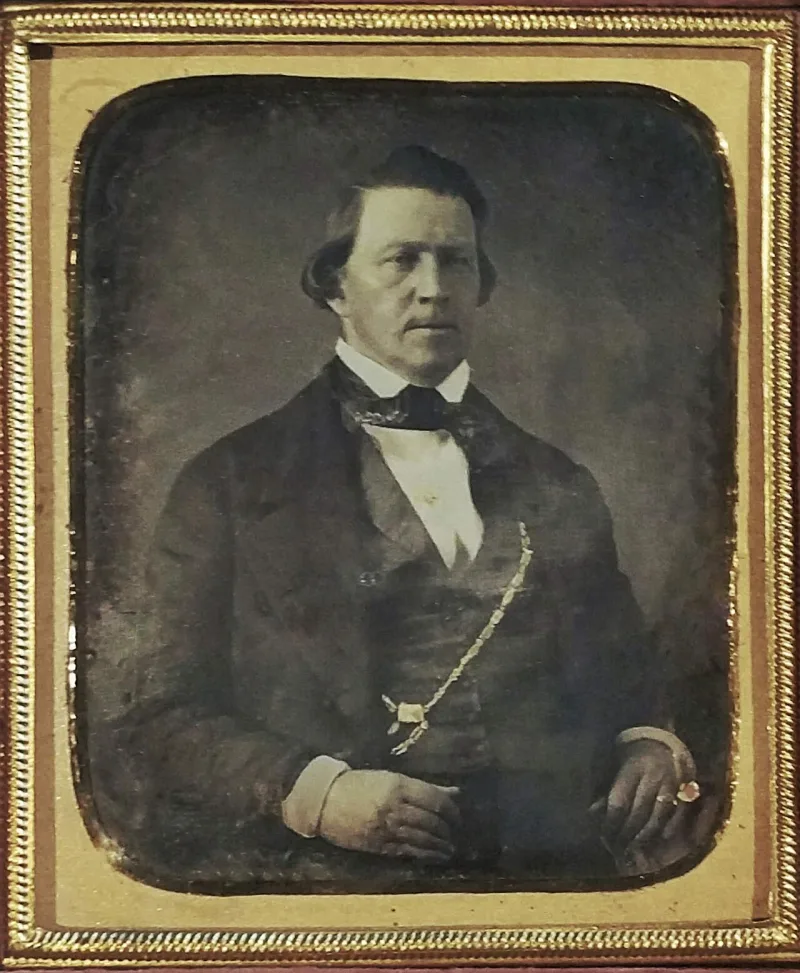
Brigham Young said the moon and the sun are inhabited. That is Journal of Discourses 13:271, from 1870.
He also taught Adam-God in general conference, which Spencer W. Kimball later denounced as false doctrine.
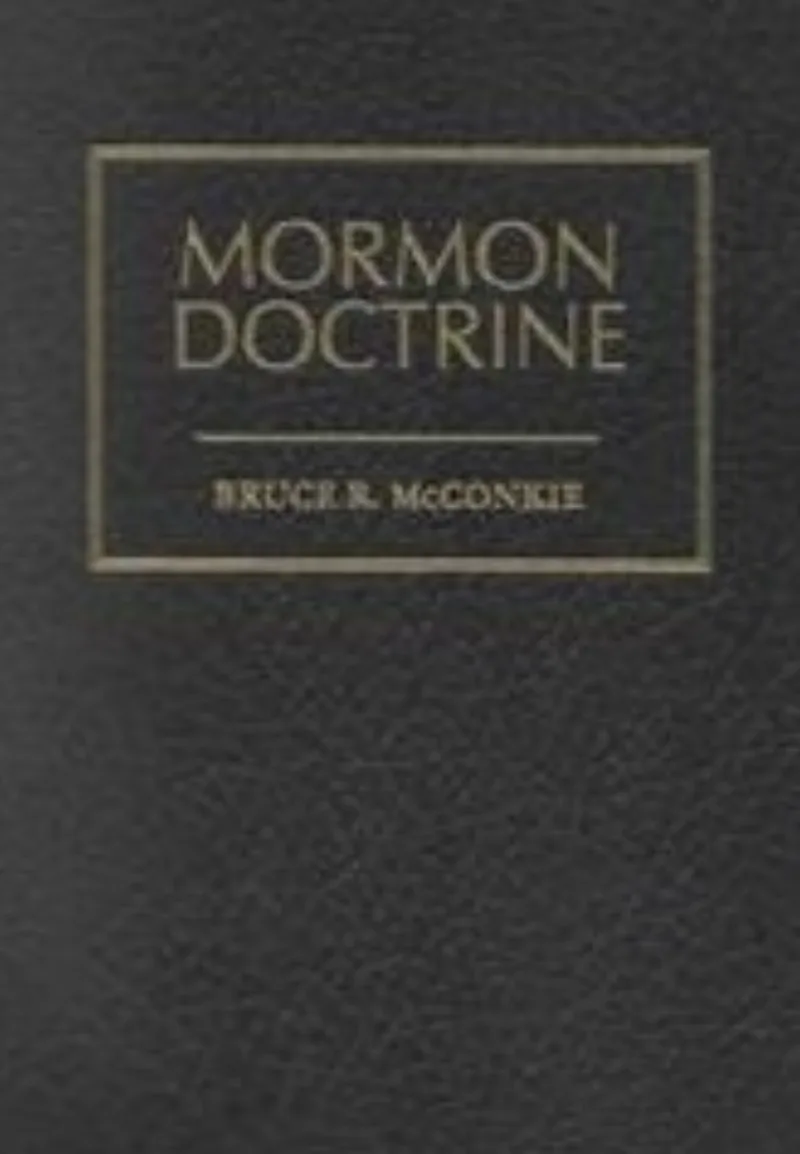
And Bruce R. McConkie's Mormon Doctrine, from 1958, needed more than 1,000 corrections after apostles reviewed it.
It sold for decades, and was pulled in 2010.
The promise printed alongside
Wilford Woodruff's declaration sits with Official Declaration 1 in the canon. "The Lord will never permit me or any other man who stands as President of this Church to lead you astray."
Why that combination is awkward
It makes a loop that nothing can test. Whatever a prophet teaches is prophetic, until it is not.
Then it becomes opinion, after the fact.
Their answer, at full strength
And much of it lands. The church teaches openly that prophets are fallible men.
Joseph Smith said a prophet is only a prophet when acting as such, and not every sermon is revelation. Young flagged the moon and sun remark as speculation — "I rather think it is" — and it matched the science of his day; William Herschel thought the sun inhabited.
It was never canonised. Mormon Doctrine was a private book McConkie published without permission, so its correction shows the system working.
And Woodruff was answering a specific fear, that the Manifesto was apostasy.
How strong is this argument?
Genuinely arguable, and pick your example carefully. The moon quote and Mormon Doctrine are weak, and you will be corrected on both.
Adam-God is the strong one, because it was taught in conference and later disavowed. The unfalsifiable-loop point is fair philosophy.
It is not a failed prophecy.
What to say
"How would you tell the difference between a prophet's revelation and his opinion?"
How they answer this — at its strongest
They teach that prophets are men. Not every sermon is a word from God.
The church expressly teaches that prophets are fallible men. Joseph Smith said that 'a prophet is only a prophet when acting as such'. Not every sermon is revelation.
Young's musing about the moon and sun was flagged as opinion. He said 'I rather think it is'. And it matched mainstream science of his century, since William Herschel believed the sun inhabited. It was never canonised or made a test of faith.
Mormon Doctrine was a private book McConkie published without approval. Its correction and its withdrawal show the system correcting itself rather than failing.
And Woodruff's statement, in context, answered a specific fear that the Manifesto was apostasy. It promises that God would remove a president who tried to lead the church fundamentally astray. It does not promise that presidents never err.
The verdict
Pick Adam-God. The moon quote and Mormon Doctrine are weak, and you will be corrected.
The quotations are real and can be checked. But the force of the claim depends on whether these were held out as prophetic, and their case has real substance.
Young flagged the moon and sun remark as opinion. Mormon Doctrine was never official, though it needed over 1,000 corrections and still sold for decades before being pulled in 2010.
Adam-God is the strong example. It was taught in conference as doctrine and later disavowed, and it keeps the tension live.
The unfalsifiability point against Woodruff's line is fair philosophy. As a claim of failed prophecy, this is genuinely contested ground.
Sources
- Journal of Discourses 13:268–274, Brigham Young, July 24, 1870 (full text)
- Official Declaration 1 with Woodruff excerpts (current LDS canon)
- MRM: Early Mormon Leaders on the Inhabitants of the Sun and Moon
- FAIR: Brigham Young on science and education