No account of the angelic ordination until 1834
ContestedLDS scholars have a real answer here. Say so before your friend does.
The evidence
What is taught
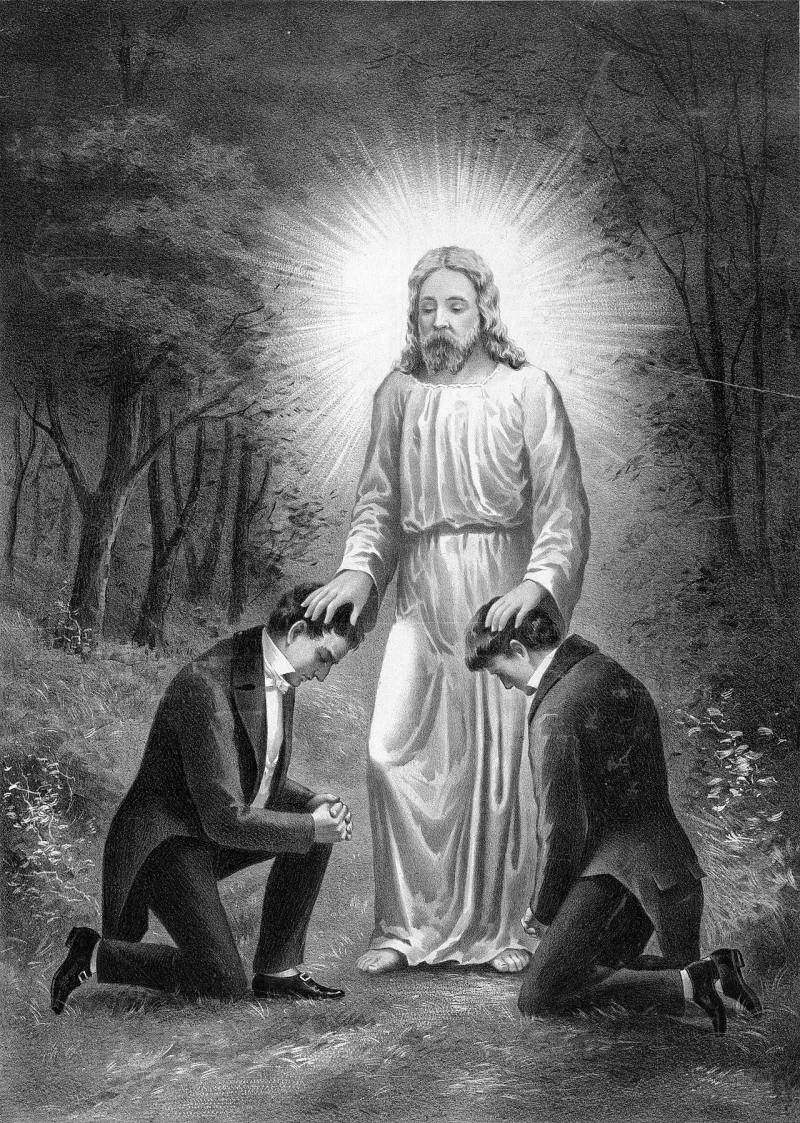
That John the Baptist restored the Aaronic priesthood in May 1829, and that Peter, James and John restored the Melchizedek priesthood soon after. See D&C 13 and Joseph Smith—History 1:68-72.
When it first appears in writing
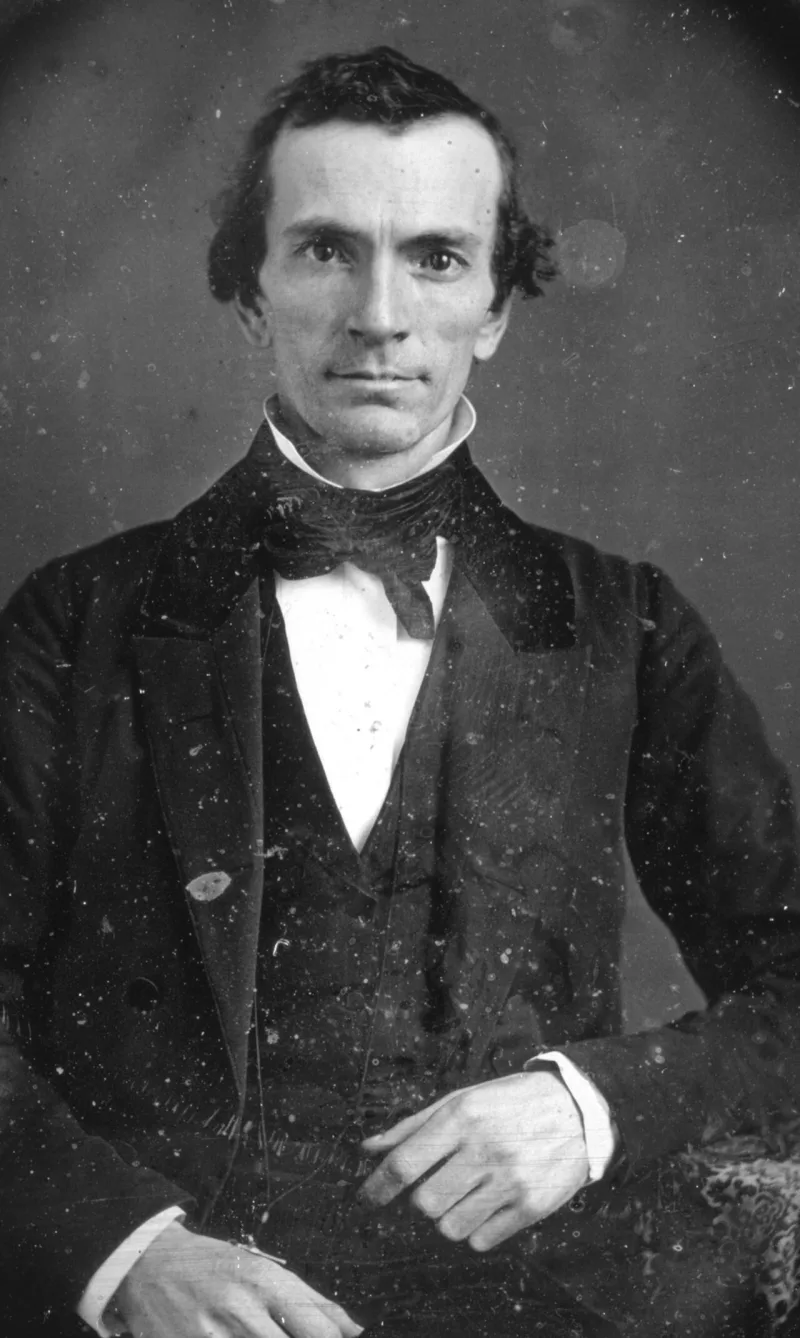
October 1834. Oliver Cowdery's account in the Messenger and Advocate.
That is five years later. Joseph's own 1832 history does not narrate it.
The 1833 Book of Commandments has none of the passages.
What changed in 1835
The text was expanded. What is now D&C 27 began as a short 1830 revelation.
It grew into a longer one that names John the Baptist, and Peter, James and John. Compare Book of Commandments 28.
Both are on the Joseph Smith Papers site.
What two early insiders said
David Whitmer told interviewers he never heard that an angel had ordained Joseph and Oliver to the Aaronic priesthood until years after 1830. William McLellin said the same.
Their answer, at full strength
FAIR and BYU scholars reply on four fronts. The 1832 history does mention receiving "the holy Priesthood by the ministring of Aangels." An 1829-era revelation, now D&C 27, points to authority from heavenly messengers.
Joseph and Oliver kept the details quiet because of persecution; Joseph said they were "forced to keep secret the circumstances of having received the Priesthood." The 1835 additions are a prophet making his own earlier words clearer. And Whitmer and McLellin were hostile by then, recalling events forty or fifty years on.
What to say
"When is the first written account that names the angels? I'd like to read it."

How they answer this — at its strongest
The 1832 history speaks of angels, and they had good reason to stay quiet.
FAIR and BYU scholars reply on four fronts.
Joseph's 1832 history does mention receiving 'the holy Priesthood by the ministring of Aangels'. And an 1829-era revelation, now D&C 27, points to authority from heavenly messengers.
Joseph and Oliver kept the details quiet because they were being hunted. Joseph said they were 'forced to keep secret the circumstances of having received the Priesthood'.
The 1835 additions are framed as a prophet making his own earlier words clearer, under the same inspiration.
And Whitmer and McLellin were hostile by then. They were recalling events forty or fifty years on.
The verdict
Arguable both ways. The 1835 growth is plain, but hidden events are still possible.
The documented facts favour the critics. The named-angel account appears nowhere before Oliver Cowdery's in October 1834, five years later. And the 1835 additions are visible in the church's own Joseph Smith Papers.
But their case is not empty. The 1832 history's 'ministring of Aangels' phrase is a genuine, if unclear, counter. So is the persecution-secrecy argument. And late hostile memories do deserve discounting.
What is beyond dispute is the retroactive growth of the text. What stays arguable is whether it records suppressed events or invents them.
That split is the definition of contested, though the pattern matches the First Vision's shifting accounts.
Sources
- BYU Studies: Priesthood Restoration Documents
- CES Letter: Priesthood Restoration
- Joseph Smith Papers: Book of Commandments, 1833
- FAIR: Response to CES Letter — Priesthood Restoration