Paul H. Dunn's war and baseball stories were invented
AdmittedTheir own church publications admit these facts. You can make this point from LDS sources alone.
The evidence
Who he was
Paul H. Dunn, a General Authority and a Seventy from 1964 to 1989.
He was one of the church's most loved speakers, with bestselling books.
What was not true
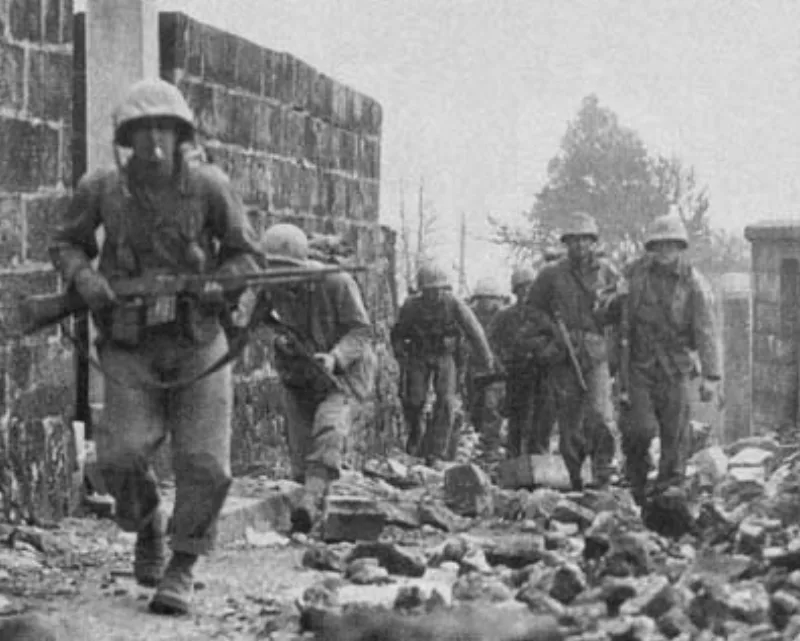
The war stories and the baseball stories. His best friend did not die in his arms in the Second World War.
He never played for the St Louis Cardinals.
How it came out
Lynn Packer investigated. The Arizona Republic published it in February 1991.
Dunn at first defended the stories. They were needed, he said, "to illustrate his theological and moral points." Leaders had known earlier.
Packer's reporting was held back. Meanwhile Dunn was quietly made emeritus in 1989, "for reasons of age and health."
What he then said
In October 1991 he published a confession in the Church News. "I have not always been accurate in my public talks and writings." He acknowledged that the First Presidency and the Twelve had censured him.
How strong is this argument?
They admit this themselves, and the church's own paper reported both halves. FAIR is right that one leader's sins do not falsify a religion.
A dishonest pastor does not disprove Protestantism either. So use it small.
What it does show is how faith-promoting stories work. Strong feelings get taken as confirmation.
And it shows a taste for quiet management, until a journalist forced the issue.
What to say
"How would you know if a story that moved you wasn't true?"
How they answer this — at its strongest
That was one man's failure, not policy. He was censured and made to apologise.
FAIR replies that Dunn's lying was his own failure, not church policy.
The church looked into it. He was censured. He was moved to emeritus status. And he was made to say sorry in public. That is being held to account, not a cover-up.
Latter-day Saints do not claim their leaders never sin. One man's dressed-up sermons say nothing about whether the Restoration is true. A pastor who lies does not disprove Protestantism either.
His apology, and the church taking it, model what repentance looks like.
The verdict
They admit this, and it proves little: use it small, about how testimony works.
Dunn's own printed confession of October 1991 settles the facts. So does the censure he owned up to. The church's own Deseret News reported both.
FAIR is right that one leader's sins do not falsify a faith, which limits how much weight this case can carry.
The value here is as a pattern, not as proof. It shows how a faith-promoting story works. A strong tale stirs a strong feeling, and the hearer takes that feeling as proof. And it shows a taste for quiet handling, 'for reasons of age and health', until a reporter forced it out.
Use it to open the question of how we know things.
Sources
- Deseret News (1991): Arizona paper alleges many stories were exaggerated
- Deseret News (1991): Elder Dunn offers apology for errors, admits censure
- Wikipedia: Paul H. Dunn
- FAIR: Criticisms of Paul H. Dunn