120 emigrants killed under a white flag, 1857
AdmittedTheir own church publications admit these facts. You can make this point from LDS sources alone.
The evidence
What happened
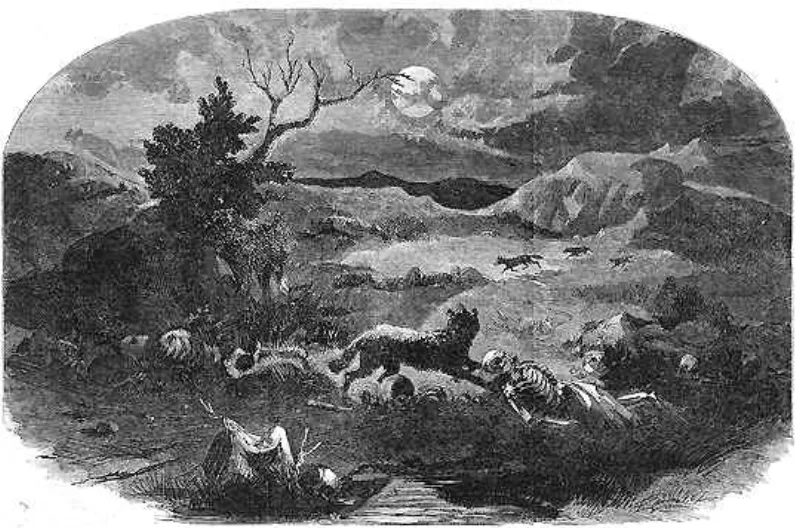
On 11 September 1857, Mormon militiamen of the Iron County brigade lured the Baker-Fancher wagon train out under a white flag. The emigrants had already surrendered.
About 120 men, women and children were murdered. Only the small children were spared.
Who ordered it
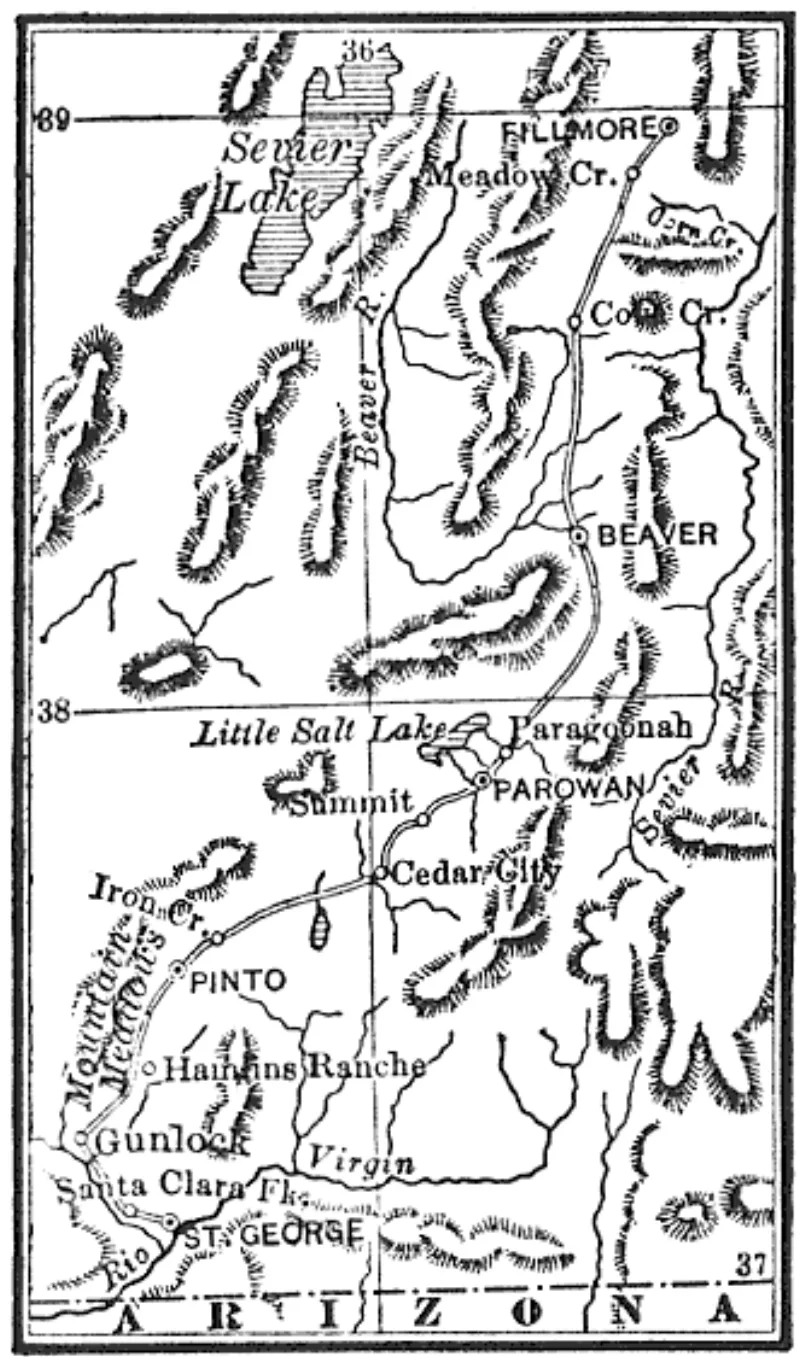
Local church and militia leaders in the Cedar City area. Among them the stake president Isaac Haight, and Bishop John D. Lee. Lee was the only person ever executed for it, twenty years later, in 1877.
Where that account comes from
The church's own sponsored history. Massacre at Mountain Meadows, by Ronald Walker, Richard Turley and Glen Leonard, published by Oxford in 2008.
It confirms that local church leaders were responsible. In 2007 Elder Henry B. Eyring expressed "profound regret" for the First Presidency.
Their answer, at full strength
The church acknowledges the massacre and its horror in full. The context was the Utah War.
A federal army was approaching. Memories of Missouri and Nauvoo were fresh, and the preaching of the moment was inflamed.
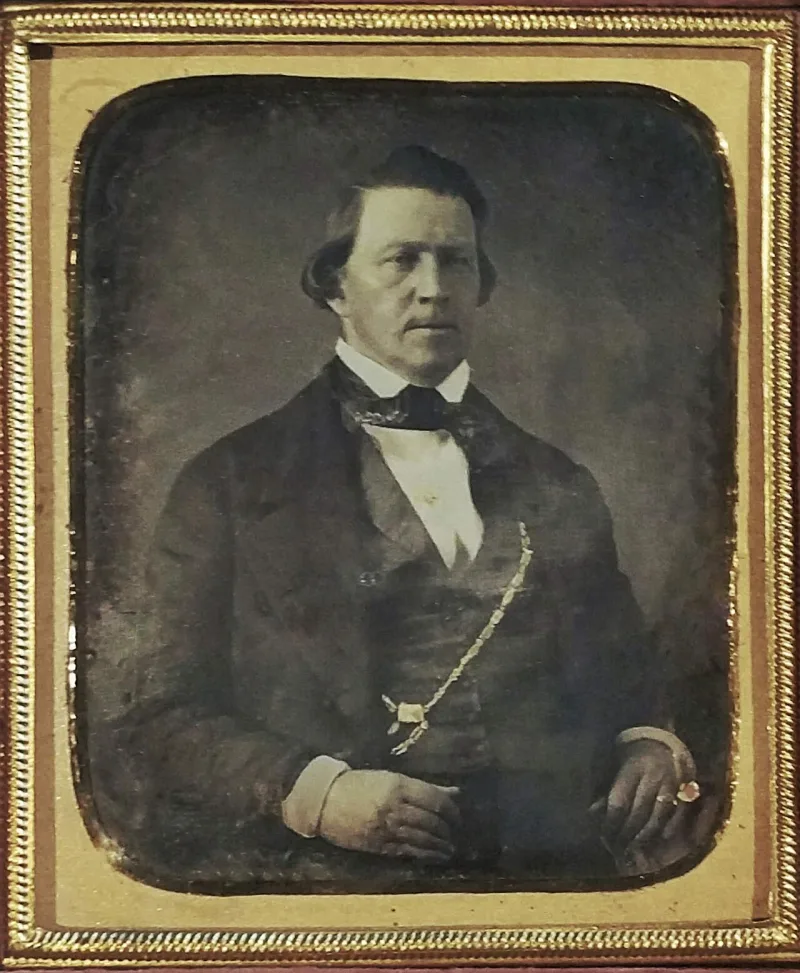
The church's own history concludes that Brigham Young did not order it; his letter counselling that the train be allowed to pass arrived two days late. Local leaders acted against that counsel.
Participants were later excommunicated. The church has built memorials, worked with descendants, and published the fullest account itself.
How strong is this argument?
They admit this themselves, and every serious party agrees on the facts. Do not say Brigham Young ordered it.
The documentary evidence does not support that, and their own historians say otherwise. What is conceded is heavy enough.
Church leaders at the Cedar City level planned the mass murder of unarmed families.
What to say
"Have you read the church's own book on Mountain Meadows? It doesn't spare anyone."
How they answer this — at its strongest
Their own history says Brigham Young did not order it; his letter came two days late.
The church fully acknowledges the massacre and its horror.
The setting was the Utah War. A federal army was on its way. The burnings in Missouri and at Nauvoo were fresh in mind, and wartime talk was everywhere.
The history the church paid for finds that Brigham Young did not order it. His letter, telling them to let the train pass, came two days late. Local leaders acted against that counsel. The cover-up was local first. Those who took part were later cut off from the church.
The church has built memorials. It has worked with the families of the dead. And it published the fullest account itself.
The verdict
They admit this: do not say Young ordered it, because the evidence does not go there.
The massacre, its scale, and the planning by local church leaders are established by the church's own sponsored scholarship and by official statements. About 120 men, women and children were killed on 11 September 1857.
Critics who claim Brigham Young directly ordered it go beyond the documents. The church history concludes that he did not, though his war-hysteria preaching contributed.
The claim as stated is conceded by all serious parties. Church leaders at the Cedar City level planned mass murder.
Sources
- Walker, Turley & Leonard, Massacre at Mountain Meadows (Oxford, church-sponsored)
- LDS Church History Topics: Mountain Meadows Massacre
- Church Newsroom: 150th Anniversary statement (Eyring, 2007)