Why the caffeine joke backfires
Don't useThe LDS answer holds up. Do not lead with this one.
The evidence
The claim to stop making
That Mormons are not allowed caffeine. No Coke.
No Dr Pepper.
Why it is wrong
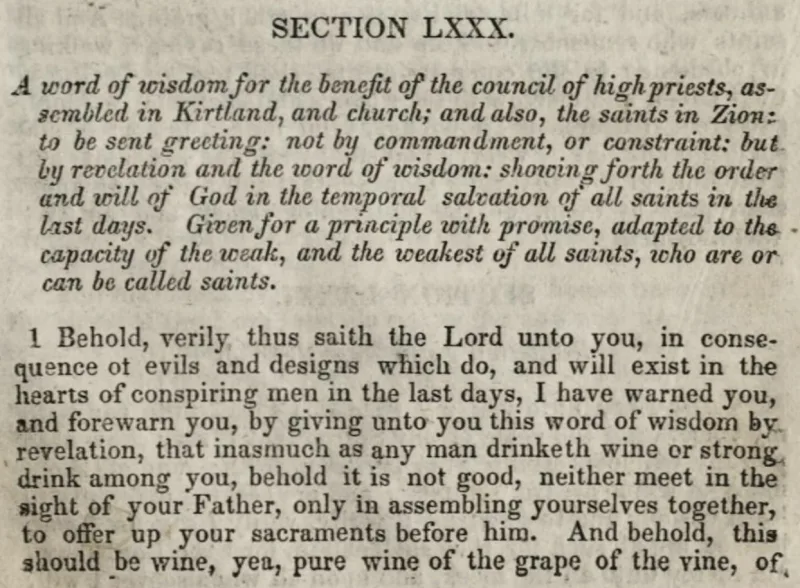
The Word of Wisdom's "hot drinks" at D&C 89:9 has been officially read as coffee and tea only. In 2012 the church stated that it "does not prohibit the use of caffeine." BYU has sold caffeinated soda since 2017.
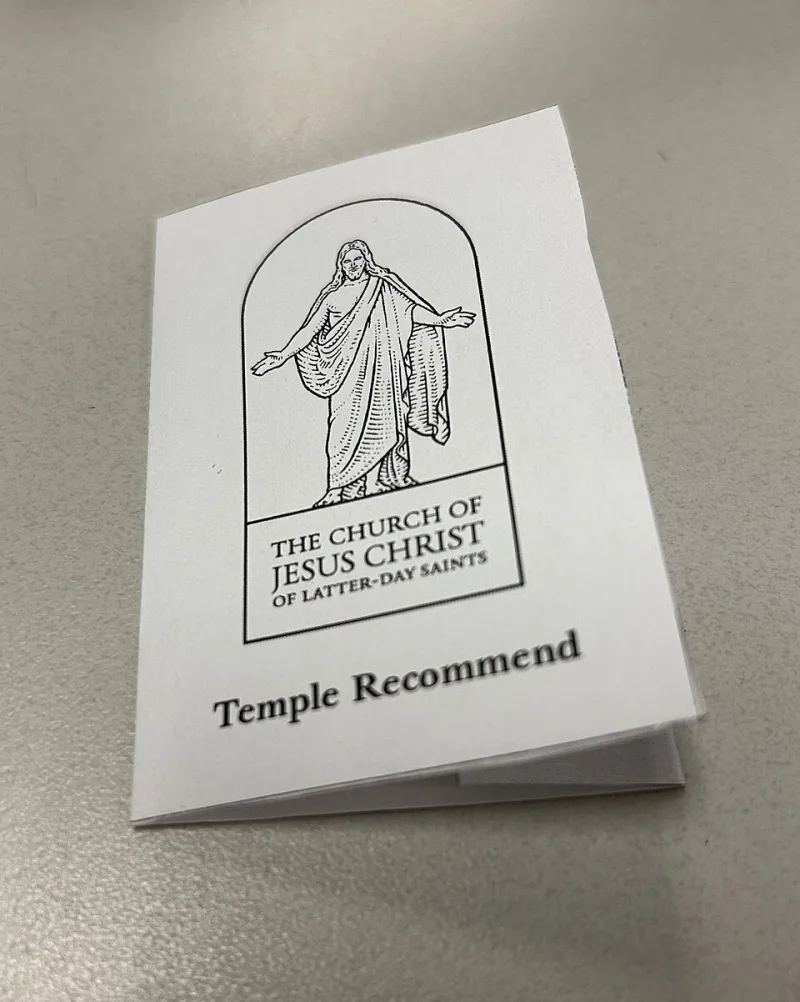
Many faithful members drink Coke. And caffeine appears nowhere in a temple recommend interview.
What it costs you
Getting this wrong signals that you learned Mormonism from playground rumour. Everything after it gets discounted.
What is actually strange, stated correctly
Iced coffee bars you from the temple, while a quadruple-shot energy drink does not. The canonised text calls itself "not by commandment or constraint" at D&C 89:2, and became a test of worthiness decades later.
And "hot drinks" meaning exactly coffee and tea is itself a later interpretation.
How strong is this argument?
Do not use it as stated. Ask why the line falls where it does.
Do not misstate where the line is. The Word of Wisdom case on this site carries the argument.
What to say
"Why is iced coffee a problem and an energy drink isn't?"
How they answer this — at its strongest
Hot drinks means coffee and tea, and BYU has sold caffeinated soda since 2017.
That is false.
The Word of Wisdom's 'hot drinks' at D&C 89:9 has been officially interpreted as coffee and tea only.
The church stated in 2012 that 'the Church does not prohibit the use of caffeine'. BYU has sold caffeinated soda since 2017. Many faithful members drink Coke.
And caffeine appears nowhere in a temple-recommend interview.
The verdict
Do not use this as stated: it signals you learned Mormonism from rumour.
Getting this wrong signals that you know Mormonism from playground rumour. Everything after it gets discounted.
The incoherence you were reaching for is sharper when stated accurately, and it is already on this site in the Word of Wisdom case. Iced coffee is a temple-worthiness bar, while a quad-shot energy drink is fine. The canonised text calls itself 'not by commandment or constraint' at D&C 89:2, yet became a salvation-gating test decades later. And 'hot drinks' meaning exactly coffee and tea is itself a later reading.
Ask why the line falls where it does. Do not misstate where the line is.
Sources
- Fox 13: LDS church clarifies caffeine (Aug 2012 Newsroom response)
- Newsweek: BYU begins selling caffeinated soda (2017)
- FAIR: Word of Wisdom — cola drinks and caffeine