Isaiah 7:14 doesn't say 'virgin' — drop it
Don't useThis Christian argument does not hold up. Drop it.
The evidence
The Christmas verse
Isaiah 7:14: "Behold, a virgin shall conceive, and bear a son, and shall call his name Immanuel." You have heard it read every December. It is also the weakest of the famous Christian proof-texts, and this page says so plainly.
The word problem
The Hebrew word is almah. It means a young woman of marrying age.
The specific Hebrew word for virgin is betulah, and Isaiah did not use it. So the English word "virgin" is carrying more weight than the Hebrew gives it.
The context problem
Read the whole chapter. Isaiah is giving King Ahaz a sign about a war that was about to end.
The child is a sign inside that crisis. A baby born seven hundred years later would not have helped Ahaz at all.
What can still honestly be said
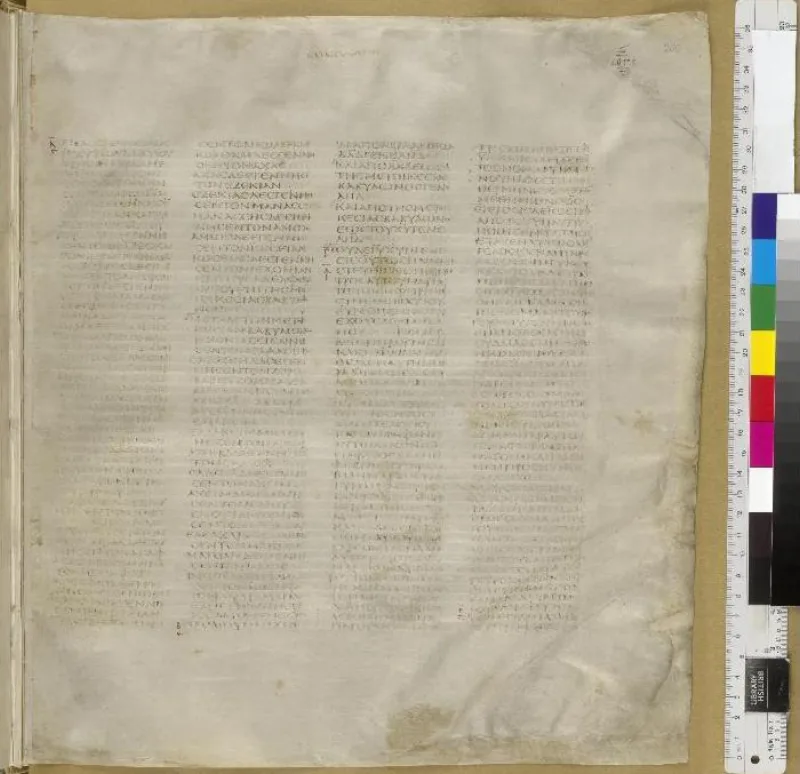
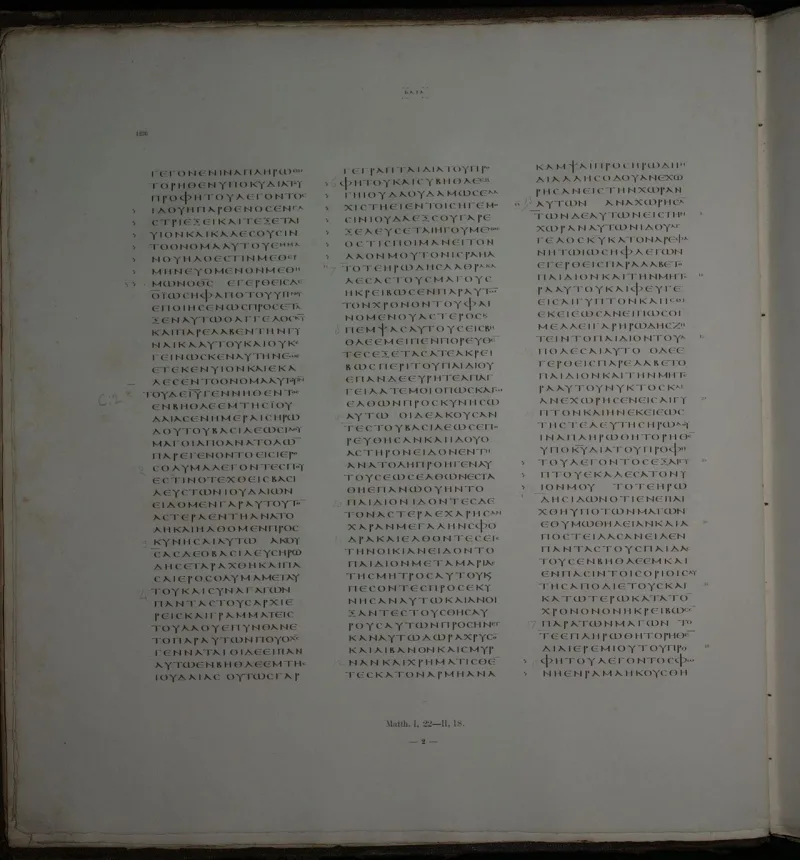
Jewish translators — not Christians — rendered almah as parthenos, the Greek word for virgin, in the Septuagint. The Torah was translated around 250 BC; Isaiah followed within the next century or so — still well over a century before Jesus. And Matthew is treating the verse as a pattern being filled out a second time, not as a one-meaning prediction.
How strong is this argument?
Weak on its own. Use it as a pattern, or leave it alone.
Giving this one away is exactly what earns you a hearing on Isaiah 53 and Daniel 9, which do hold.
What to say
"Honestly, I don't think this verse works the way it usually gets preached."

How they answer this — at its strongest
Isaiah wrote 'young woman', and the sign was for King Ahaz in his own war.
This objection is ancient, and it is strong. Trypho was already making it to Justin Martyr around 160 AD. The Hebrew word is almah, a young woman. The sign is given to King Ahaz during a crisis in 734 BC, and it is no use to him if it lands seven centuries later. Verse 16 ties the child's early years to the fall of Rezin and Pekah. The child may well be Isaiah's own son; Isaiah 8:3-4 gives a boy with the same timetable.
They also note that parthenos in the Septuagint need not mean virgin in the strict sense. Dinah is called parthenos in Genesis 34:3 after she has been violated. So Matthew, reading Greek, built a doctrine on a translation choice. And later Jewish translators — Aquila, Symmachus and Theodotion — rendered it 'young woman', correcting rather than conspiring.
The verdict
Don't use it: this verse is not evidence for the virgin birth.
Graded Don't use. This argument does not hold up, and saying so is this entry's main job.
Isaiah 7:14 is not evidence for the virgin birth. It is Matthew thinking about a virgin birth he already believed for other reasons. He uses pattern-fulfilment, a normal Jewish way of reading in his day. Never open with this verse. Never present it as proof. Giving it away honestly is what earns you a hearing on Isaiah 53 and Daniel 9, which do hold.
Sources
- Isaiah 7 with Rashi (Chabad.org)
- Justin Martyr, Dialogue with Trypho
- NETS Septuagint (Isaiah)
- Tovia Singer on Isaiah 7:14 (Outreach Judaism)