Judah keeps the sceptre until 'Shiloh' comes
ContestedSerious people argue this both ways. Say so before your friend does.
The evidence
What the verse says
Jacob is dying. He is blessing his twelve sons one by one.
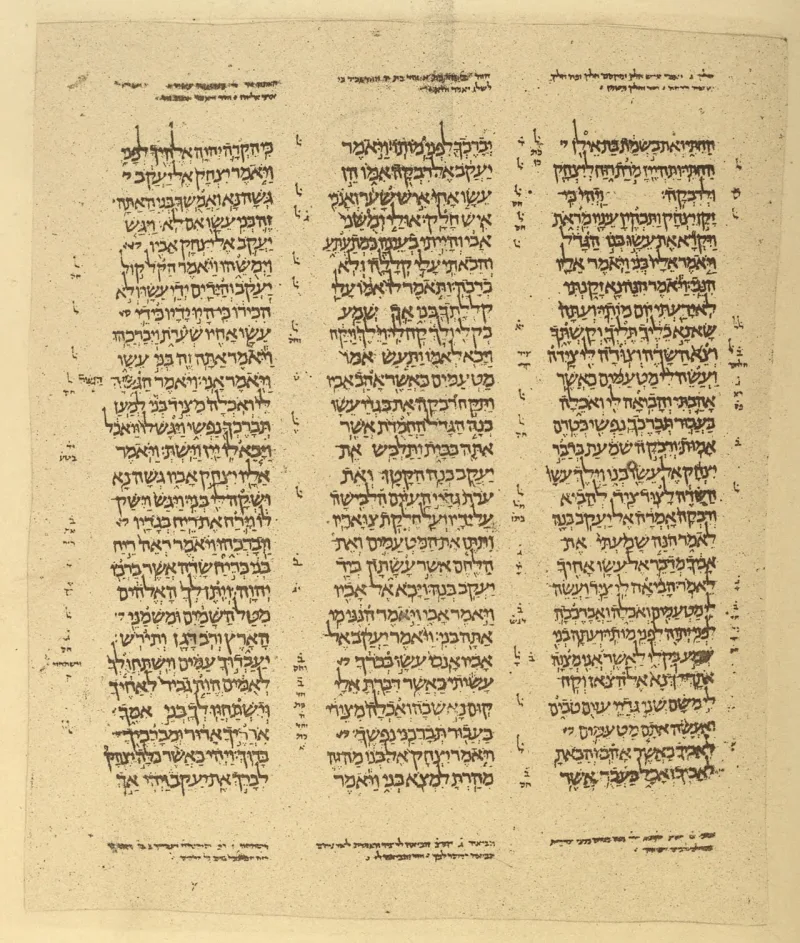
To Judah he says something odd. Genesis 49:10 keeps the ruler's staff with Judah "until Shiloh come." Then it adds: "unto him shall the gathering of the people be."
Nobody is certain what Shiloh means
Say that up front. It is one of the genuinely unclear words in the whole Old Testament.
Suggested meanings include "the one it belongs to," a place name, and a title. Ancient Jewish translations read it as a name for the Messiah.
Where the real argument is
The verse ties Judah's ruling power to a deadline. So the question stops being about Hebrew and becomes about history: when did Judah's governing authority actually end?
That is something the two of you can look up together.
How strong is this argument?
Contested. The messianic reading is ancient and Jewish, which counts for a lot.
The unclear word and the disputed history keep it from being settled.
Why this helps you
It is one of the oldest passages Jewish readers treated as being about the Messiah. That was long before there was any argument with Christians about it.
What to say
"The Targum reads 'Shiloh' as the Messiah. What do you make of that?"
How they answer this — at its strongest
Judah lost its throne in 586 BC, so the AD 6 clock looks picked.
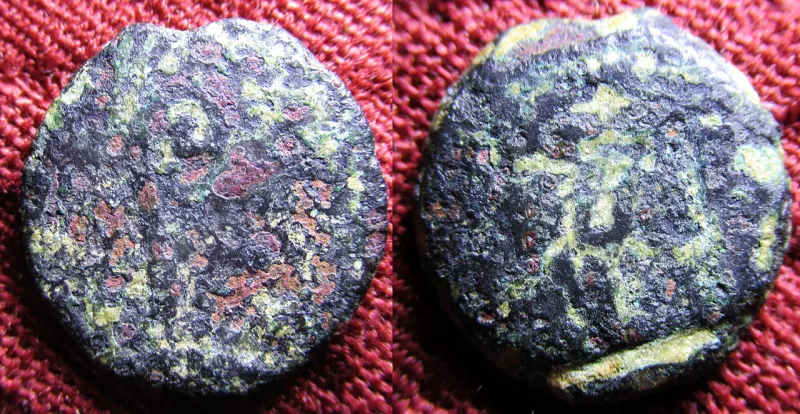
This answer has real teeth. If 'sceptre' means political rule, it left Judah at the Babylonian exile in 586 BC. It stayed gone through Persian, Greek and Hasmonean rule — and the Hasmoneans were Levites, not men of Judah. All of that is centuries before Jesus. So the popular 'it departed in AD 6' clock looks arbitrary.
Rabbinic reading takes shevet as tribal identity and inner authority: the exilarchs, the patriarchs, the courts. Those carried on long after 70 AD. The phrase 'ad ki' can mean 'even when', not 'until.'
And 'Shiloh' itself is obscure. It may be the place name, or 'tribute to him.' Building a timetable on an unclear word is unsound. Targum Onkelos names the final figure without granting any first-century deadline.
The verdict
Contested in practice: use the Shiloh reading, and drop the timing the exile breaks.
This one splits in practice, so treat the halves apart. The messianic reading of Shiloh is conceded. Onkelos, Sanhedrin 98b and Rashi all make it, and that is common ground worth citing.
The popular Christian timing argument is another matter. It is contested, and half broken. The claim that the sceptre left when the Sanhedrin lost capital cases ignores the Babylonian exile, which removed Judah's rule far earlier. Use the identification. Drop the clock.
Sources
- Onkelos on Genesis 49:10 (Sefaria)
- Genesis 49 with Rashi (Chabad.org)
- Avodah Zarah 8b (Sefaria)
- Michael Brown, Answering Jewish Objections to Jesus, vol. 1