Bible codes work just as well on Moby-Dick
Don't useThis Christian argument does not hold up. Drop it.
The evidence
What these are
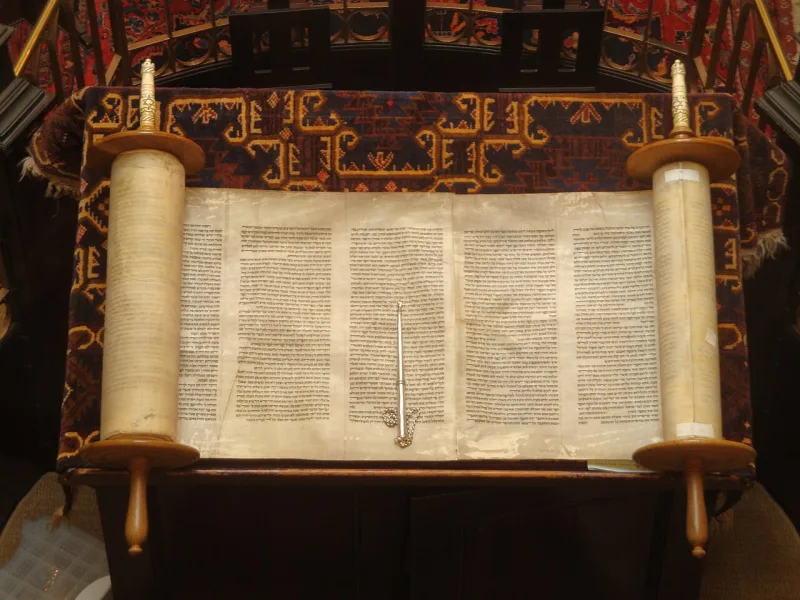
Gematria gives Hebrew letters number values and adds them up. Bible codes claim that skipping letters at fixed intervals spells out hidden messages.
Both get used in Christian outreach as if they were evidence.
Why they fail
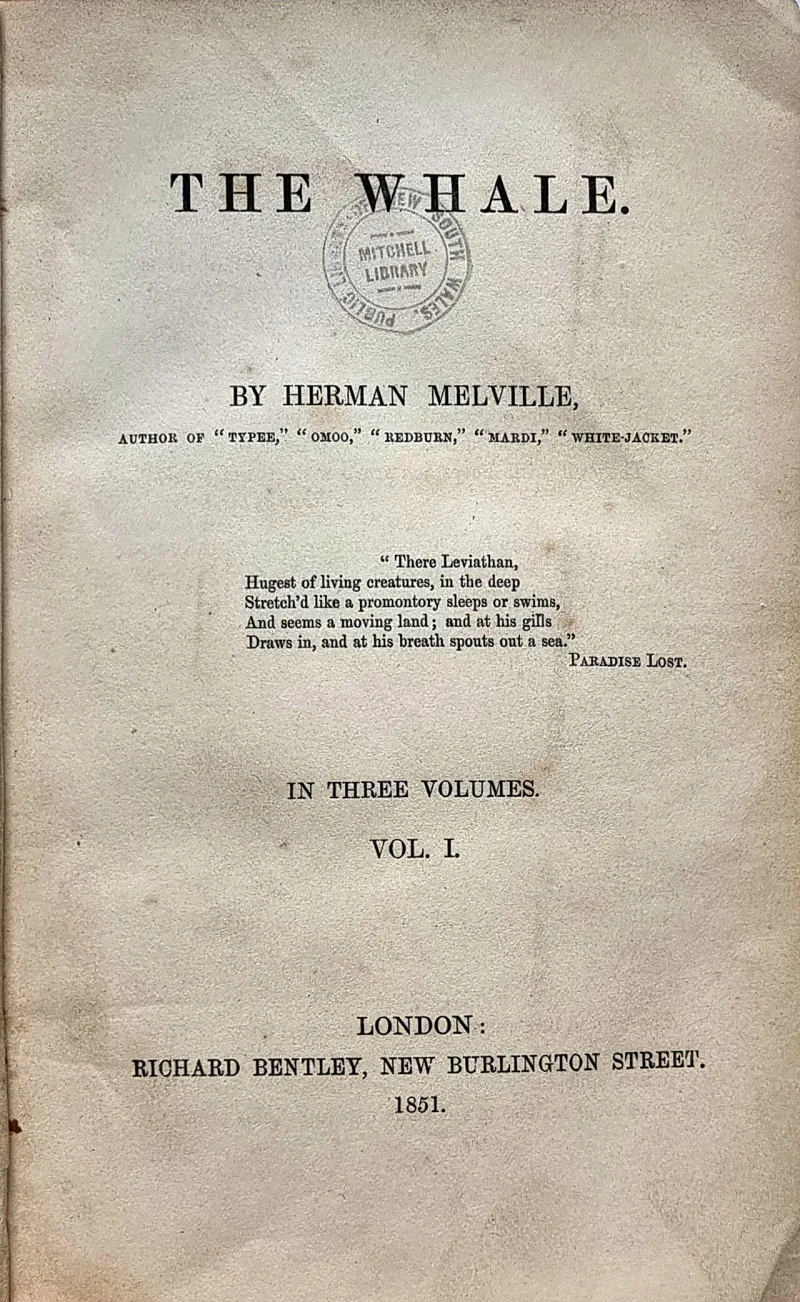
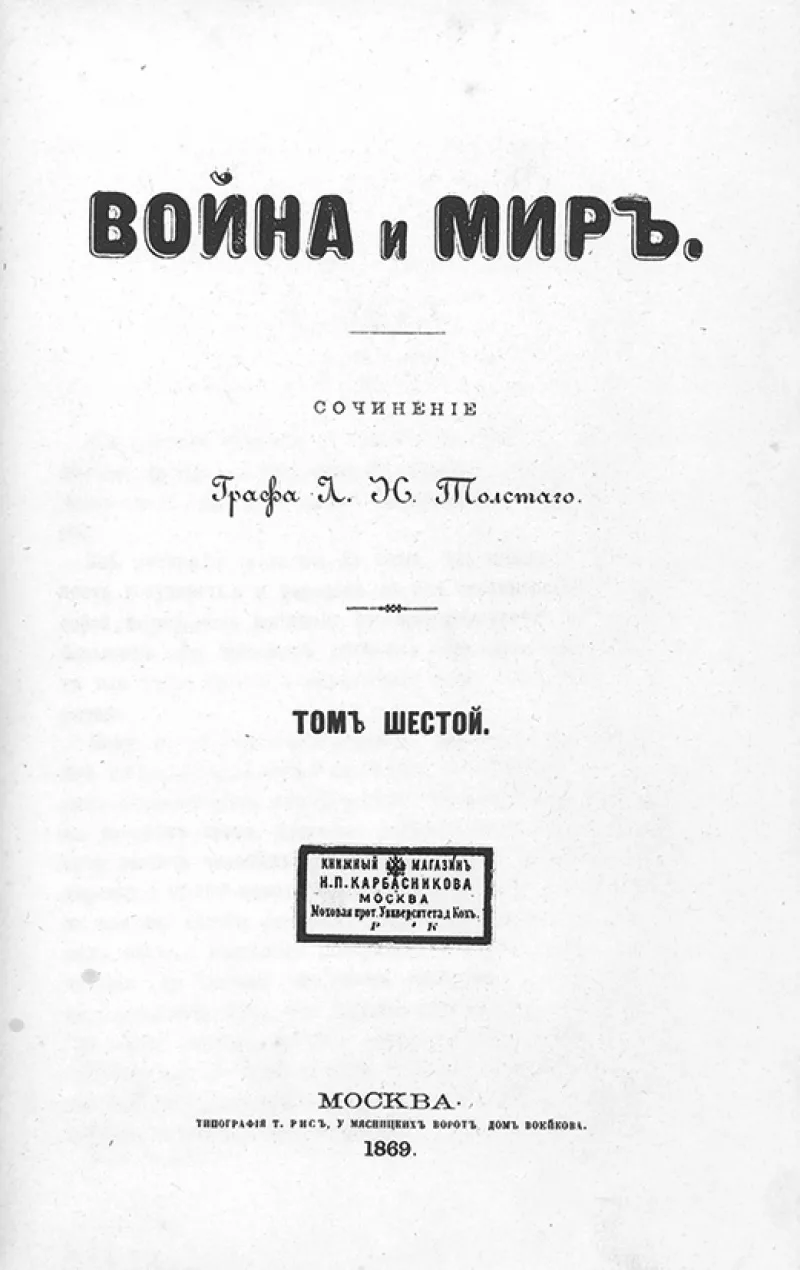
Researchers ran the same methods on Moby-Dick and War and Peace. They produced equally striking "predictions," including assassinations.
Any long book will do this, because the method finds patterns instead of testing them.
What it signals
Using them tells a thoughtful person that you cannot tell a pattern from a proof. Every real argument you make afterwards gets quietly discounted.
The rule
Drop them. The case from Isaiah 53, Daniel 9 and Yoma 39b does not need help from number games, and is weakened by standing next to them.
What to say
"I don't use the Bible-codes material. I don't think it holds up, and it isn't needed."
How they answer this — at its strongest
Defenders say McKay's own rules were looser, and some letter patterns still hold up.
Defenders — Witztum's replies, and the Meru Foundation — argue that Brendan McKay's own tests used looser rules than the first study. Some letter-skip results, they say, do survive a close look.
But the point about method is granted even by statisticians who are friendly to the idea. The results shift with the choices the researcher makes. They cannot be put to a real test. And the same effects turn up in plain secular books.
No rabbi rests doctrine on codes. Classical gematria, as in the Baal HaTurim, is sermon craft and never proof — a line the tradition itself is careful to draw.
The verdict
Don't use codes: they admit the plain text is not enough, and nothing checks out.
Do not use it. Codes and gematria invert this section's whole method. The Messiah case rests on the plain sense of public texts — the same verses the Targums and the Talmud discuss.
That is how Jesus argued on the Emmaus road, 'from Moses and all the prophets' in Luke 24:27. A hidden-message argument concedes that the plain text is not enough. It also cannot be checked, which is the one thing every argument on this site is supposed to be.
Sources
- McKay et al., 'Solving the Bible Code Puzzle,' Statistical Science 14.2 (1999)
- Brendan McKay's Torah codes refutation pages (incl. Moby-Dick 'codes')
- Semantic Scholar record of the debate