Hebrews 1:8, where Westcott agreed with them
Don't useThe Witness answer holds up. Do not lead with this one.
The evidence
The argument some Christians make
Hebrews 1:8 quotes Psalm 45:6. Most Bibles read "Your throne, O God, is forever and ever." That is the Father calling the Son God.
Their Bible reads "God is your throne forever and ever." Critics list this among the changes driven by doctrine.
Their answer, and it is a good one
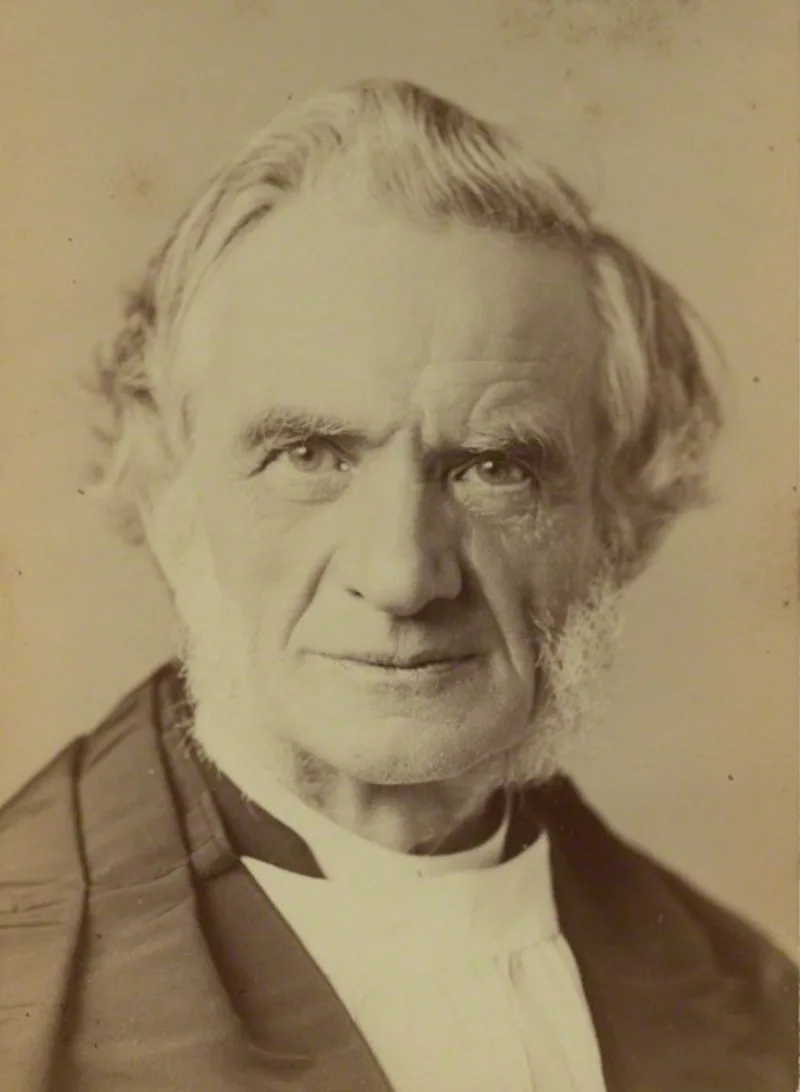
Respected Trinitarian scholars agree with them here. B. F. Westcott concluded it seems best to read "God is thy throne." Westcott and Hort's translation reads that way too.
Moffatt's translation reads that way. So do the margins of the RSV, the NRSV and the NEB.
A. T. Robertson admitted it is not certain that ho theos is a direct address. Psalm 45 was a wedding song for a king of David's line, so "God is your throne" fits.
And verse 9 says God anointed him, so the Son has a God.
Why this one fails for you
The Greek really is open here. A reading carried in the margin of the RSV and the NEB is not a mistranslation.
Naming it beside John 1:1 tells an informed Witness that you are listing rather than thinking.
Use the next verses instead
Read on to Hebrews 1:10-12. It quotes Psalm 102, words spoken to Jehovah about making heaven and earth.
Hebrews applies them straight to the Son. Their own Bible translates that plainly and leaves it intact.
How strong is this argument?
Weak for you. Do not lead with verse 8.
Concede it, and it costs you nothing. Then read verses 10 to 12, which cost them a great deal.
What to say
"Verse 8 is genuinely arguable, so I'll leave it. Would you read verses 10 to 12 to me, and tell me who is being spoken to?"
How they answer this — at its strongest
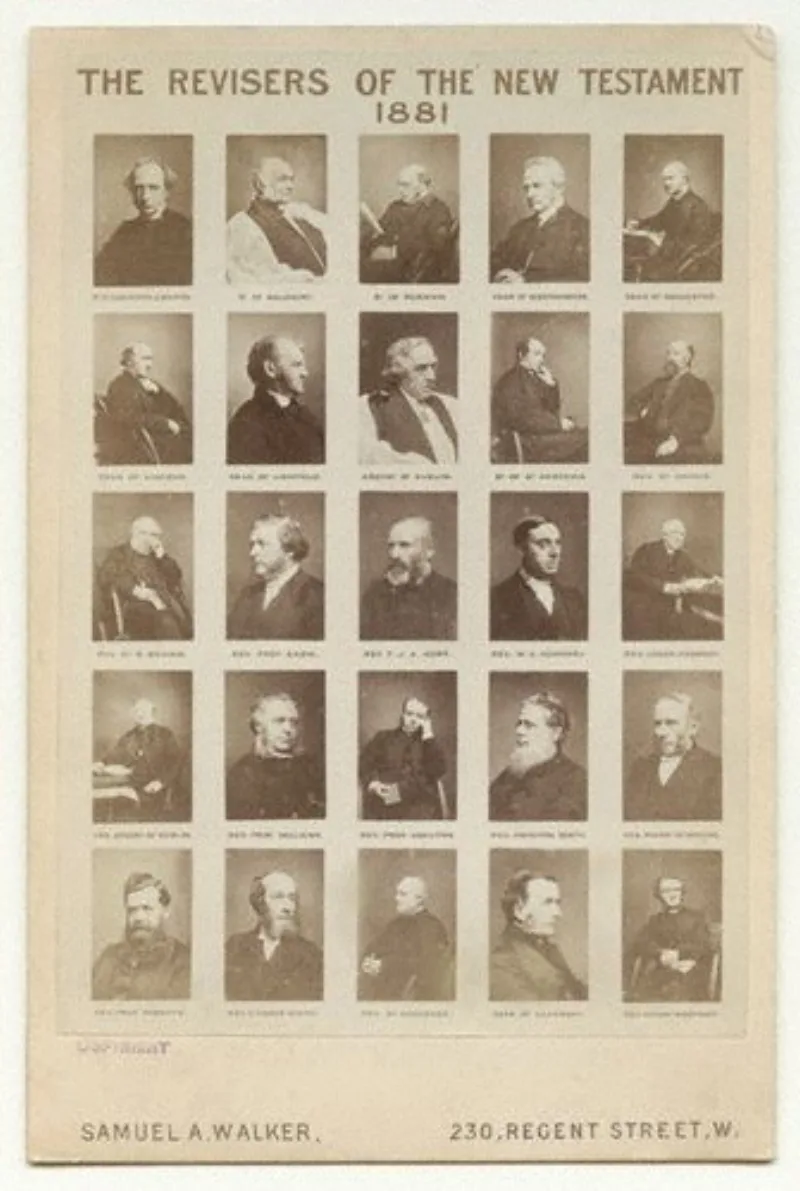
Westcott and Hort's translation reads 'God is your throne' here, and the margins agree.
This is the Witnesses' strongest translation defense, because eminent Trinitarian scholars concede the point. B. F. Westcott concluded that 'it seems best to adopt in the first clause the rendering: God is thy throne.' Westcott and Hort's translation reads that way too. Moffatt's translation reads that way. So do the margins of the RSV, the NRSV and the NEB. A. T. Robertson admitted that 'it is not certain whether ho theos is here the vocative.'
Psalm 45 was first a wedding song addressed to a Davidic king. That makes 'God is your throne' — your kingship rests on God — natural in context. And Hebrews 1:9 says at once that God, your God, anointed you. So the Son has a God.
The verdict
Weak for you. Concede verse 8 and read Hebrews 1:10-12 instead.
This case is included deliberately, for fairness. The grammar is genuinely open. Westcott endorsed the NWT's rendering, and nobody accuses him of anti-Trinitarian bias. He did so before the Watchtower existed as a translating body.
Most modern commentators still prefer the vocative, 'Your throne, O God.' They prefer it on contextual grounds. But a rendering carried in the margins of the RSV and the NEB is not a mistranslation. Sites that list Hebrews 1:8 alongside John 1:1 weaken their own credibility.
The real argument in this chapter is verses 10 to 12. There Psalm 102's words to YHWH the Creator are applied to the Son. The NWT leaves that point fully intact.
Sources
- AvoidJW — Hebrews 1:8 Bible comparison
- B.F. Westcott, The Epistle to the Hebrews (via survey of scholars)
- OnlyTrueGod.org — Hebrews 1:8 (unitarian-side survey of the grammar)