Eight men decided the 'faithful slave' meant them
UnrefutedNo good counter-argument has been published by the Watchtower.
The evidence
The verse the whole structure rests on
Matthew 24:45 has Jesus ask a question. "Who really is the faithful and discreet slave?" The Watchtower reads that as a prophecy.
On their reading, Jesus inspected all religions in 1919 and picked them as his only channel of spiritual food.
The slave has changed identity three times
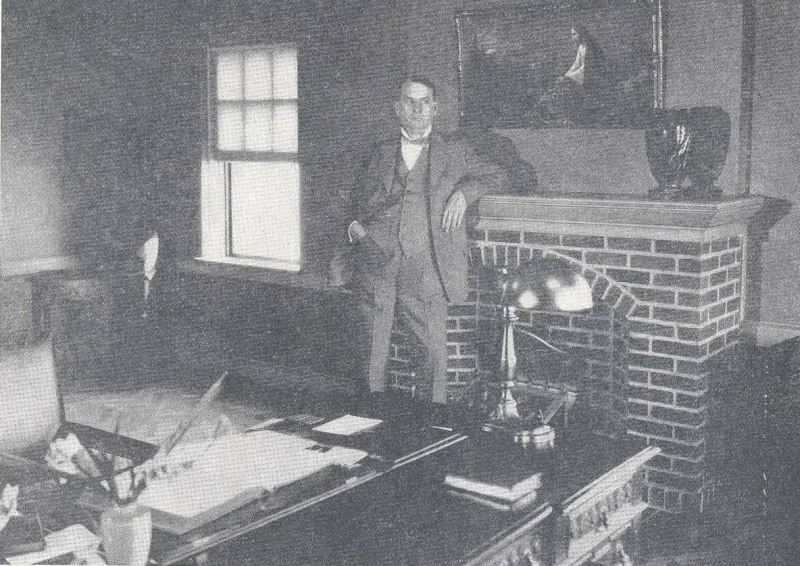
In 1917 it was one man. The Watch Tower of Mar 1 (p. 67) proclaimed Brother Russell as that faithful and wise servant. From 1927 it was the whole anointed class of 144,000.
Then at the annual meeting in October 2012 it changed again. The slave is now the Governing Body alone (The Watchtower, Jul 15, 2013, pp. 20-23). Eight men redefined the verse that gives them their authority, so that it means them.
Their answer, at full strength
Jesus asked a question, so it must have an answer. Someone has to organize the feeding of his people.
The 2013 change simply matched doctrine to fact. The food was never really prepared by 10,000 anointed scattered worldwide.
It was prepared by the small group at headquarters. Organized teaching needs an organized teacher, as at the council in Acts 15.
And dropping Russell as the servant shows they will revise their own status rather than protect a founder.
Where that runs out
Scholars across traditions read Matthew 24:45-51 as a parable about watchfulness, spoken to every disciple. Its point is the question mark.
The Watchtower reading has to turn a parable into a prophecy, a warning into an appointment, and a first-century crowd into a 1919 corporation. Then relitigate who the appointee is, three times.
Every revision moves the same way: authority concentrates.
How strong is this argument?
Strong for you, and it is the most important chain on the whole subject. No 607, no 1914.
No 1914, no inspection in 1919. No 1919, no appointment.
No appointment, no duty to obey.
What to say
"In 1917 the slave was Russell. In 1927 it was all the anointed.
In 2012 it became eight men. Which answer was Jesus giving?"
How they answer this — at its strongest
Jesus asked a question, so someone must answer it and feed his people.
The Watchtower argues that Jesus' question demands an answer. Someone must organize the feeding of his people. The parable implies a steward you can point to when the master returns.
The 2013 change, they say, lined doctrine up with what was really happening. The food was never truly prepared by all 10,000-plus anointed scattered worldwide. It was prepared by the small group at headquarters. So the new reading honestly named who was already doing the work. Organized teaching needs an organized teacher; compare the Jerusalem council in Acts 15. And each revision shows the body bending its own status to new light. Dropping Russell as the servant protected no founder's honour.
The verdict
Strong for you. No 607, no 1914; no 1914, no 1919; no duty to obey.
The textual base cannot carry the weight. Scholars across traditions read Matthew 24:45-51 as a parable of watchfulness, spoken to every disciple. Its point is the question mark. Who will prove faithful? It is not an org chart.
The Watchtower reading must turn a parable into a prophecy. It must turn a warning into an appointment, and a first-century crowd into a 1919 corporation. Then it must relitigate the appointee three times. The 2013 change, and every revision, moves the same way: authority concentrates.
And the chain of dependence is fully exposed. No 607, no 1914. No 1914, no 1919 inspection. No 1919, no appointment. No appointment, no duty to obey. That chain is the single most important fact on this topic.
Sources
- The Watchtower Jul 15, 2013 (jw.org full text)
- JWFacts — the Faithful and Discreet Slave doctrine history
- JW Watch — Governing Body: 'We are the Faithful and Discreet Slave'
- Beroean Pickets — Annual Meeting 2012 analysis