The 'Bible was changed' doctrine dates to 1064
AdmittedThe facts sit in Islam's own trusted sources. You can make this point from their books alone.
The evidence
The word behind "the Bible was changed"
Tahrif is the Arabic word for corruption. It comes in two very different forms.
One says Jews and Christians twist the meaning of their books. The other says the written text itself was rewritten.
Almost every conversation assumes the second.
What the earliest Muslim scholars taught
Gordon Nickel studied the oldest Quran commentaries. Muqatil ibn Sulayman wrote in the 8th century.
Al-Tabari died in 923. Both read the tampering verses as twisted meaning, concealment and misreading — not textual change.
Ibn Abbas, quoted in Sahih al-Bukhari's Book of Tawhid, said no one can remove the words of Allah from His books.
When the text claim actually appeared
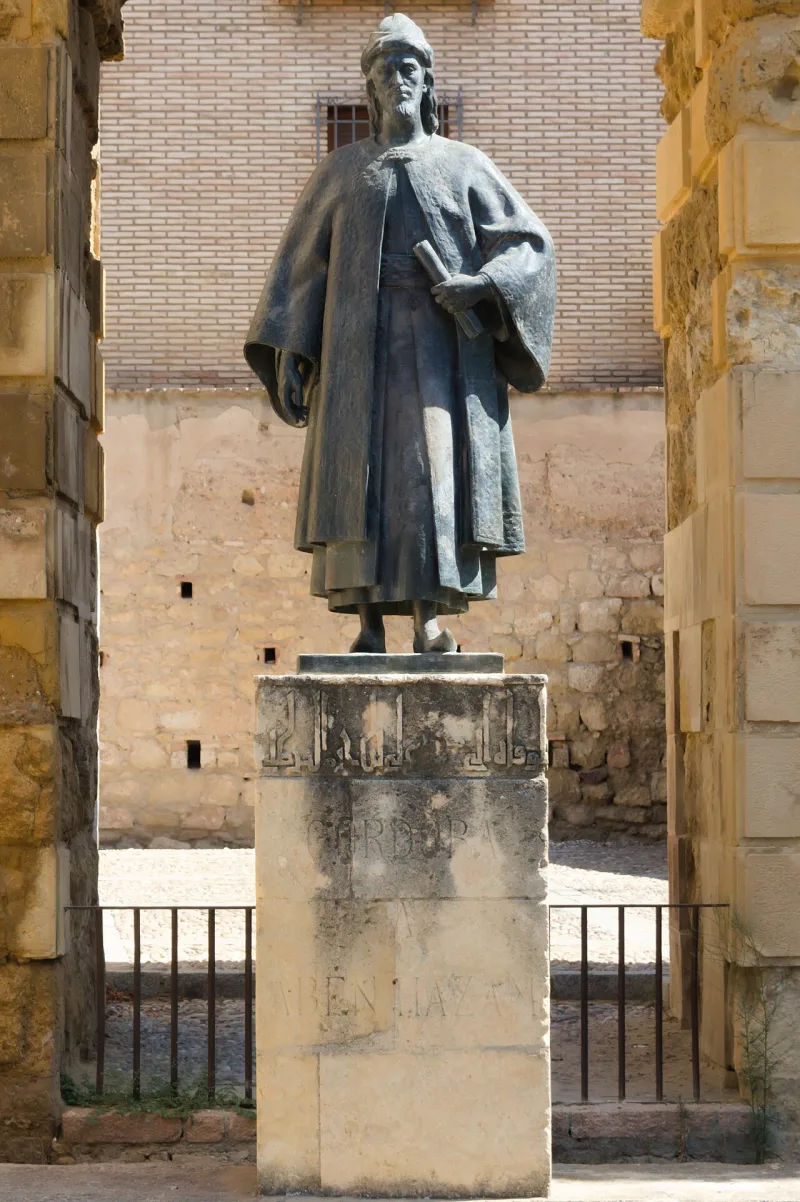
The full text-corruption doctrine was argued by Ibn Hazm of Cordoba. He died in 1064.
That is four centuries after Muhammad. It hardened once the differences between the two books were pressed.
The reply, at full strength
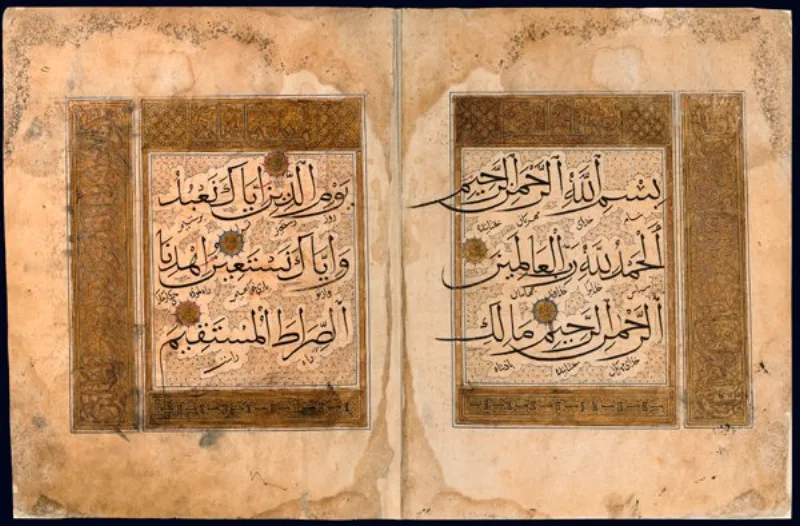
Muslims answer that the Quran says more than misreading. Quran 2:75 speaks of people who hear Allah's words and distort them.
Quran 2:79 condemns those who write the Book with their own hands. And the same Ibn Abbas, in Sahih al-Bukhari 7363, says the People of the Book changed and altered it.
Early testimony cuts both ways. Ibn Hazm, they say, organised the doctrine rather than invented it.
How strong is this argument?
Strong for you, because the sources are theirs. Even reviewers friendly to Islam grant that only Ibn Hazm and al-Maqdisi held full textual corruption.
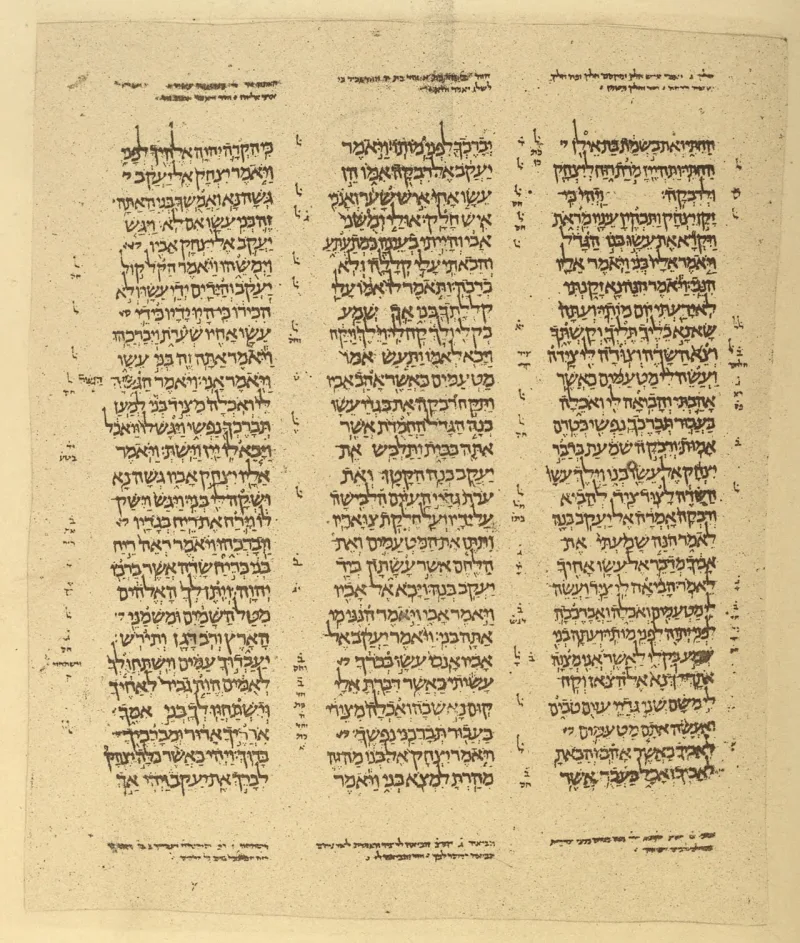
And no early source says when, where or by whom the Bible was rewritten.
What to say
"When do you think the Bible was rewritten, and who did it? I have never found an answer."
How they answer this — at its strongest
They say the Quran itself describes people writing a false book by hand.
Muslim apologists reply that this is no medieval invention. The Arabic term is tahrif al-nass, corruption of the written text. They point to Quran 2:75. It speaks of a party who heard the words of Allah and then distorted it. They point to Quran 2:79. It condemns those who write the Book with their own hands, then say this is from Allah. That is physical writing, not mere misreading.
They add that the same Ibn Abbas is quoted in Sahih al-Bukhari 7363. There he says the People of the Book changed and altered it, and wrote it with their own hands. So the early testimony cuts both ways. On this view Ibn Hazm organised the doctrine. He did not invent it. Islamweb argues the same in its fatwa on judging by the Torah and Gospel.
The verdict
Strong for you: their own sources are the evidence, and the doctrine is late.
The key facts are granted inside Islamic sources and by scholars. The earliest Quran commentators read the tampering verses as twisted meaning, not changed text. Bukhari preserves Ibn Abbas denying that anyone can change Allah's words in His books. Even reviewers friendly to Islam grant a narrow point. Among the classical authorities, only Ibn Hazm and al-Maqdisi held that the text itself was rewritten.
Quran 2:79 speaks of a party writing false material and selling it. It never says the Torah's manuscript line was rewritten. And no early source names when, where or by whom that global rewrite took place. The doctrine every dawah talk leans on is a late one.
Sources
- Gordon Nickel, Narratives of Tampering (Brill, 2011) — review, CMCS Oxford
- Nickel, 'Early Muslim Accusations of Tahrif: Muqatil ibn Sulayman's Commentary'
- Answering Islam — 'Did Ibn Abbas Believe that the Holy Bible was Corrupt?'
- Sunnah.com — Sahih al-Bukhari 7363