Surah 9: the missing 'in the name of God'
ContestedMuslim scholars have a real answer here. Say so before your friend does.
The evidence
The odd one out
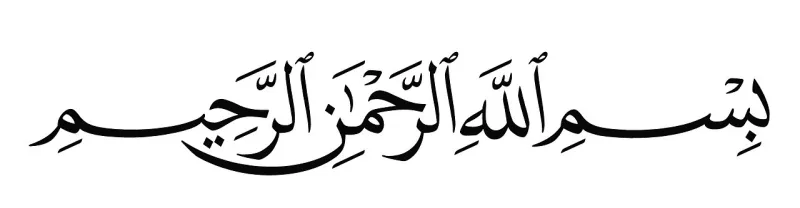
Each chapter of the Quran opens the same way. It begins with the basmala: in the name of God, the Merciful, the Kind.
One chapter does not. Surah 9 has no such line.
What Uthman said
He was asked why. His answer is in Jami at-Tirmidhi 3086.
Surah 8 came early in Medina. Surah 9 came late.
The two were alike in theme. The Prophet died and never said if they were one chapter or two.
"So I put them adjacent and did not write the basmala between them." The man who fixed the text is telling us he made a call.
The Muslim answer, at full strength
IslamQA 173672 gives the common answer. The line was left out on purpose.
Surah 9 opens with war and the ending of treaties. A chapter of the sword needs no call for mercy.
That view is traced to Ali. Others say the order of the chapters was set by the Prophet himself, which they call tawqifi.
And the grading of Tirmidhi 3086 is in dispute. Darussalam calls it hasan.
Some later critics call it weak.
How strong is this argument?
Genuinely arguable, and do not lead with it. The two answers cut against each other.
If God had left the line out to mark a book of war, Uthman would not have said he was unsure where one chapter ended. But the grading fight is real.
So use this to back up the wider story, not to open. The core is safe either way.
The line is missing. Other copies had the chapters in a different order.
And a man set the shape of the book after the Prophet died.
What to say
"Uthman said he made the call himself. What do you make of that?"

How they answer this — at its strongest
They say the mercy line was left out because Surah 9 opens with war.
The common devotional answer is surveyed at IslamQA 173672. The basmala is the mercy formula that opens each surah. It was deliberately left out, they say, because al-Tawbah opens with a declaration of war and the ending of treaties. A surah of the sword needs no call on mercy. That view is attributed to Ali.
Others hold that the order and boundaries of the surahs were fixed by the Prophet's own instruction, which they call tawqifi. And Uthman's account is graded variously. Darussalam calls it hasan, that is good, while some later critics weaken it.
The verdict
Arguable, so do not lead with it: the grading of the report is disputed.
The two traditional answers undercut each other. Say the line was left out by God's own judgment about mercy and war. Then Uthman would not have explained it as his own doubt about where one surah ends and the next begins.
State the weakness plainly. The grading of Tirmidhi 3086 is contested. So use this to back up the compilation story, not to open. This site's Uthman-burning and compilation cases carry the main weight.
The undisputed core is untouched by the grading fight. The basmala is missing. The companion codices ordered surahs differently. And the shape of the mushaf, the written text, came from choices made after Muhammad died.
Sources
- Jami at-Tirmidhi 3086
- IslamQA 173672 — 'Why There Is No Bismillah in Surah At-Tawbah'
- Abu Amina Elias — why bismillah is missing from Surat al-Tawbah
- The House of Wisdom — 'Surah Tawbah - No Basmalah?'