'Best of planners': the Arabic root means scheming
ContestedMuslim scholars have a real answer here. Say so before your friend does.
The evidence
The phrase
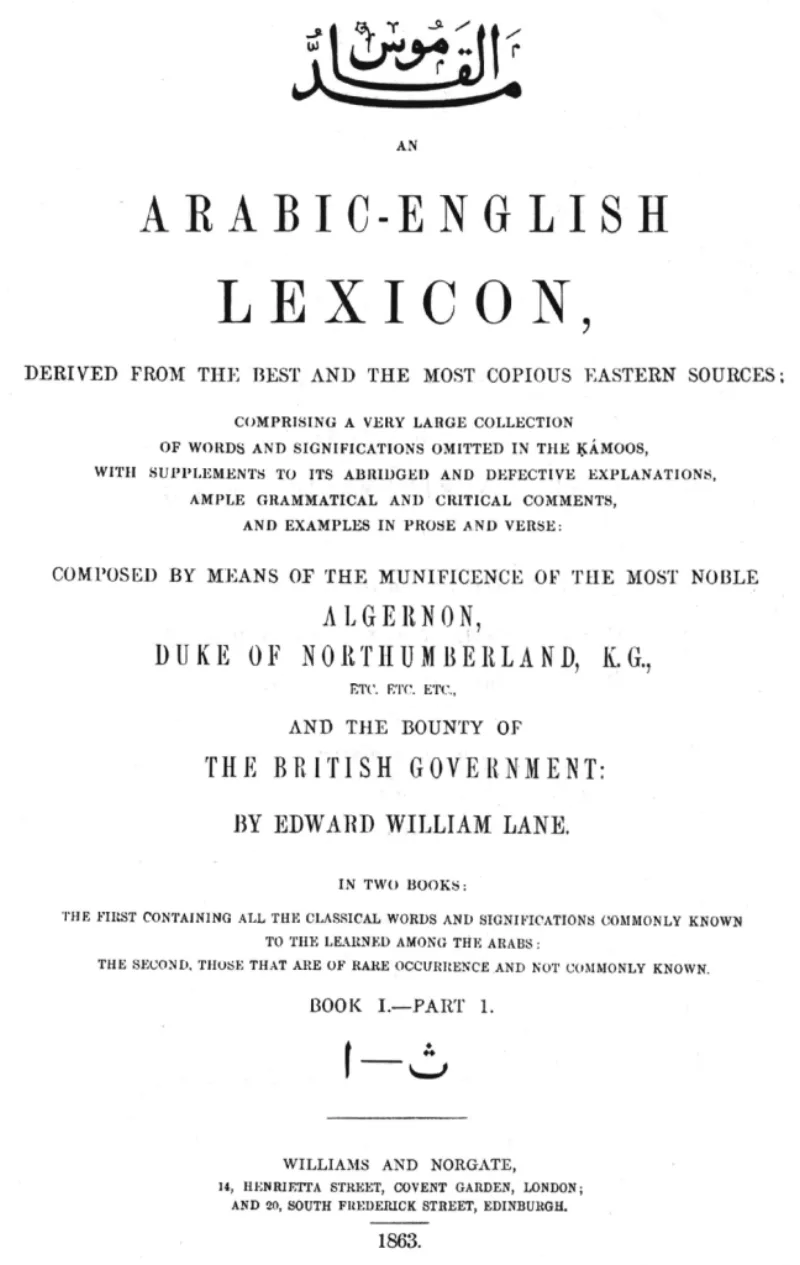
Quran 3:54 and Quran 8:30 call Allah khayru al-makirin. It is usually translated "best of planners." The root m-k-r carries scheming and guile in the classical lexicons Lane and Lisan al-Arab.
Why Christians raise it
Quran 3:54 sits in the crucifixion passage. Allah's makr answers the plotting of others.
Quran 4:157 gives the result: it was made to appear so to them. Scripture says the opposite of God — He "cannot lie" (Titus 1:2; Numbers 23:19; Hebrews 6:18).
The Muslim answer, at full strength
Islamweb fatwa 295183 answers on three fronts. Makr means a hidden stratagem, neutral in itself, judged by its target.
Allah's is always a response to human plotting (3:54; 8:30; 10:21) and never aimed at the sincere. And the Bible has hard parallels.
A lying spirit is sent in 1 Kings 22:22-23. A strong delusion is sent in 2 Thessalonians 2:11.
A prophet is deceived in Ezekiel 14:9.
Where it lands
On the word itself, critics are right. The Quran uses makr of humans negatively, including evil makr in 35:43.
Softened translations do hide that. But counter-scheming against plotters is defensible, and the biblical texts show Christians must draw the same distinctions.
How strong is this argument?
Weak alone, useful beside the crucifixion case. Do not say "Allah is a deceiver" — that is unfair to how Arabic works.
The narrow point is Quran 4:157. On the mainstream reading, the ones deceived were sincere disciples.
What to say
"May I ask how you read Quran 4:157 — who was it that the appearance deceived?"
How they answer this — at its strongest
They say the word means a hidden plan, always aimed back at plotters.
Islamweb fatwa 295183, and treatments citing Jamal Badawi, answer on three fronts. First, makr means a hidden stratagem. It is morally neutral in itself, and its worth depends on its object. Allah's makr is always payback. It out-plans the plotters in order to protect the innocent — here, to save Jesus from murder. So 'best of planners' is ethics, not a cover-up.
Second, the Quran always uses makr of Allah in answer to human makr (3:54; 8:30; 10:21). It is never started against the sincere. Third, the counter-charge has teeth. The Bible has God sending a lying spirit (1 Kings 22:22-23), and a strong delusion so they believe the lie (2 Thessalonians 2:11), and deceiving prophets (Ezekiel 14:9). If makr indicts Allah, those indict Yahweh.
The verdict
Weak on its own; it works best beside the case on the cross.
On the word itself, the critics are on firm ground. Makr is used of humans in a bad sense all through the Quran, including evil makr in 35:43. Softened translations like 'best of planners' are driven by the needs of debate.
But the charge against God is weaker than the word study. Out-planning plotters is fair conduct. And the Bible texts show that Christians must draw the same line themselves, between a court judgment on the wicked and lying by nature.
Where the argument keeps its bite is 4:157. On mainstream tafsir, Allah's plan made a false sight. It deceived Jesus's own sincere followers, and it founded six hundred years of what Islam calls error. That is a sincere man deceived, which the Bible texts do not match. It works best beside the case on the cross.
Sources
- WikiIslam — 'Allah, the Best Deceiver (Quran 3:54)' — lexical survey
- David Wood — 'Is Allah the Best of Deceivers?'
- Islamweb Fatwa 295183 — 'Refuting the allegation that Allah deceives people'