Don't use: '26 different Qurans' (they are qira'at)
Don't useThe Muslim answer holds up. Do not lead with this one.
The evidence
The performance
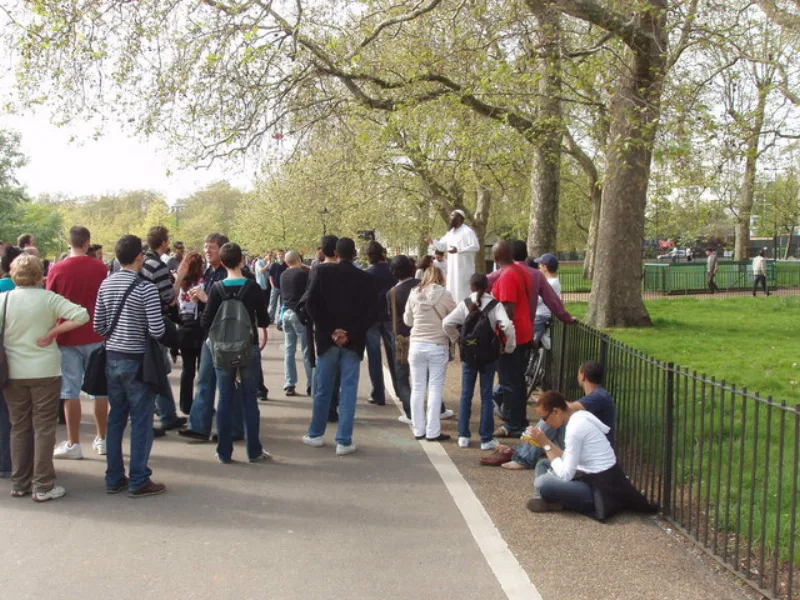
A stack of printed Arabic Qurans is waved. "Here are 26 different Qurans with 93,000 differences, and Muslims cannot even tell you which one is preserved." It comes from Speakers' Corner, associated with Jay Smith and Hatun Tash.
Why it is wrong
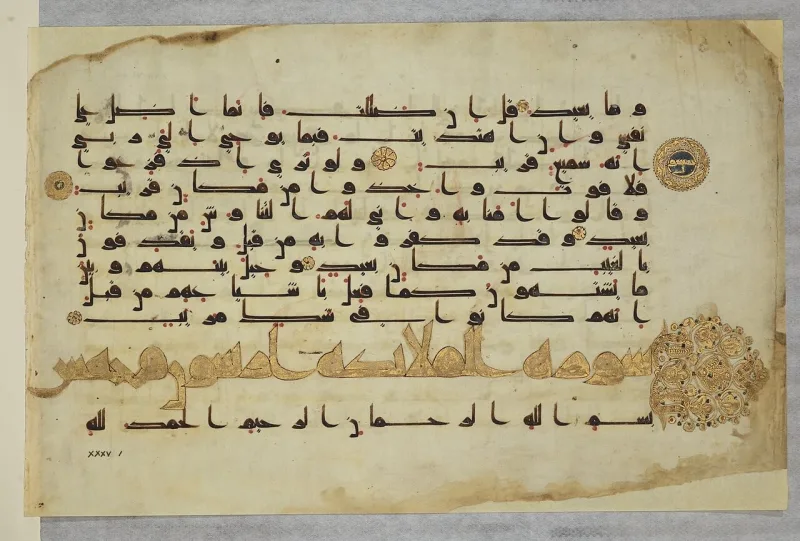
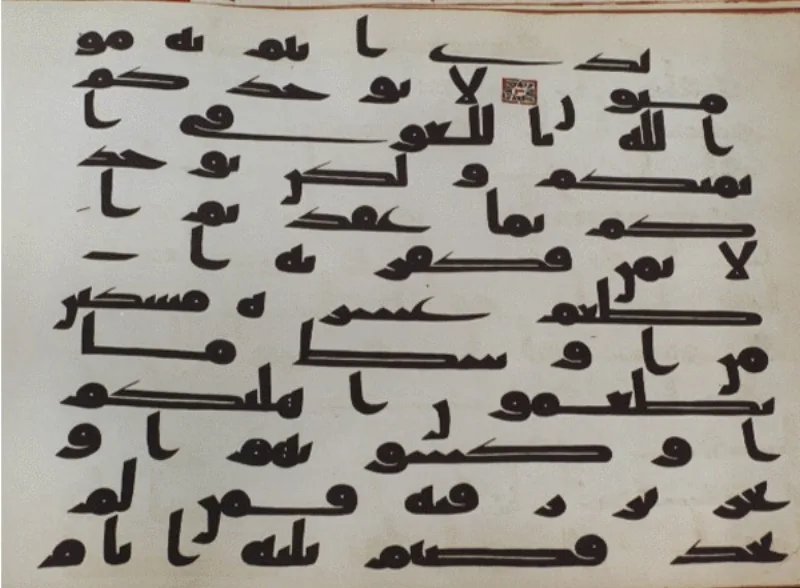
Those printed editions are the canonical qira'at — the recognised reading traditions. Hafs, Warsh, Qalun, al-Duri and others.
They differ mostly in pronunciation and spelling, with a limited set of wording differences, and all descend from the Uthmanic consonantal skeleton. The 93,000 figure counts vowel and dialect differences.
The comparison that shows it
Calling them 26 different Qurans is roughly like calling the KJV, NIV and ESV three different Bibles. Christians reject that framing when Muslims use it.
We should not use it in reverse.
Why it backfires
A Muslim who has watched one rebuttal video explains the qira'at. The numbers deflate on inspection.
The audience concludes that the critic did not understand the material, and a real issue is squandered.
What to say instead
Ask the precise questions this site already carries. Why did preservation by Allah require Uthman to burn the rivals?
Why did Ibn Mas'ud reject surahs that are in today's mushaf? Which reading is the preserved dictation, where they differ in actual words and not just vowels — as at Quran 2:184?
Note the asymmetry honestly too. Islam claims letter-perfect dictation, so even small variants cut deeper against the Quran than against a Bible whose textual history is openly critical.
What to say
"There are not 26 Qurans. There are ten canonical readings, and my question is which one is the dictated text."
How they answer this — at its strongest
Do not use this: those books are the qira'at, the accepted reading traditions.
The correction is granted even in Muslim rebuttals of Smith. The printed editions are the canonical qira'at, the handed-down reading traditions. They are Hafs, Warsh, Qalun, al-Duri and others. They differ mostly in how words are said and spelled. There is a fixed, limited set of wording variants. All of them come down from the Uthmanic consonant skeleton. The 93,000 figure counts vowel and dialect differences.
Calling them 26 different Qurans is much like calling the KJV, NIV and ESV three different Bibles. Christians reject that framing when Muslims use it. We should not use it in reverse. Yasir Qadhi's treatment of the Quran's textual history gives the honest scholarly frame.
The verdict
Drop it: ask the precise question instead, and you win the same ground.
Here is why it backfires. A Muslim who has watched one rebuttal video explains the qira'at. The numbers deflate on inspection. The audience concludes that the critic did not understand the material, and a real issue is squandered.
Say this instead. This site already holds the strong version, in the Uthman-burning, Sanaa and Uthman-standardisation cases. Why did preservation by Allah require Uthman to burn the rivals? Why did Ibn Mas'ud reject surahs that are in today's mushaf? Which of the readings is the preserved dictation, where they differ in actual words and not just accent, as at Quran 2:184?
Precision here wins; the stack of books loses. Note the asymmetry honestly. Islam claims letter-perfect dictation, so even small variants cut deeper against the Quran than against a Bible whose textual history is openly critical.
Sources
- The claim as performed (Hatun Tash / Jay Smith, Speakers' Corner)
- Muslim rebuttal — 'Refuting the 26 Qurans Lie'
- Yasir Qadhi on the textual history of the Quran (the honest scholarly frame)