Asking who made God: north of the North Pole
StrongNo good counter-argument has been published by atheist philosophers.
The evidence
Why the popular version fails
No serious argument for God starts with "everything has a cause." The Kalam says everything that begins has a cause. The contingency argument says every contingent thing needs an explanation.
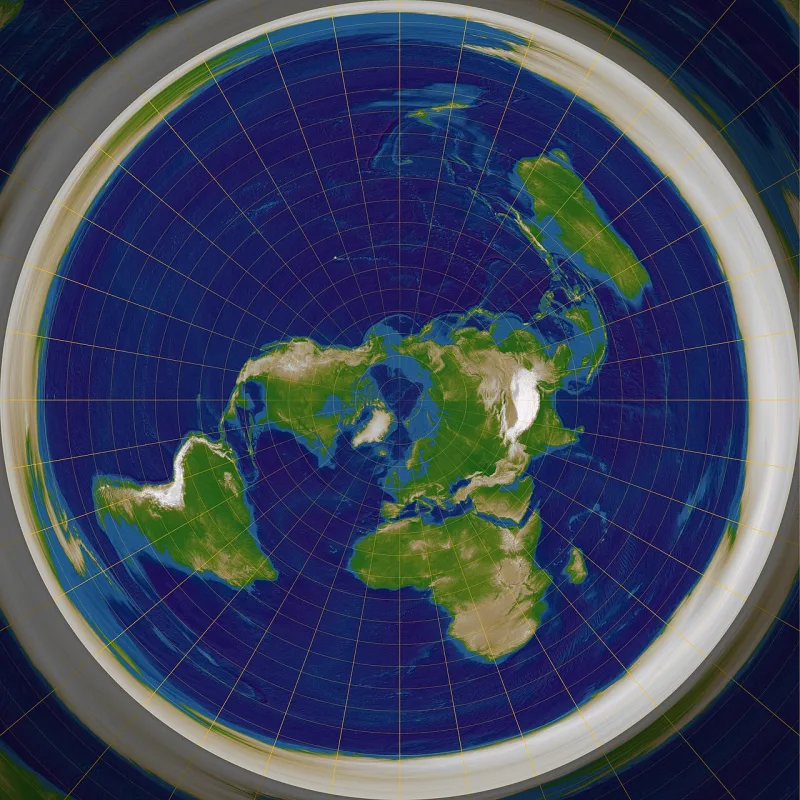
God, as classically defined, neither begins nor is contingent. Asking who made the unmade is like asking what is north of the North Pole.
The upgraded version
Richard Dawkins offers a better one in The God Delusion. A designing God would be even more complex, so even less likely.
That assumes God is a built-up physical system that had to be assembled. Classical theism denies exactly that, under the name divine simplicity.
Dawkins nowhere engages the doctrine. Edward Feser has written at length on the confusion.
Their answer, at full strength
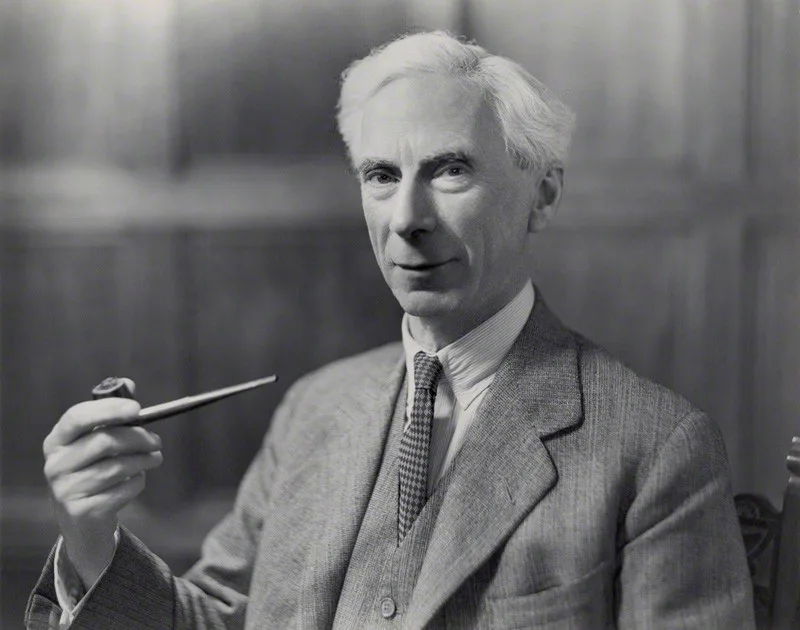
Graham Oppy, and Bertrand Russell before him, offer the real salvage. Fine, no serious argument says everything has a cause.
But the theist has now given up the intuition that made the argument feel forceful. The naturalist claims the same exemption for the universe's first state.
Necessary, uncaused, brute. Now both sides end in an unexplained something.
And the naturalist's candidate is one we already know exists, with no extra traits bought on credit. Divine simplicity, the doctrine doing the work here, is also contested among theists.
How strong is this argument?
Strong for you, against the objection as people actually ask it. The category answer holds, and even sophisticated atheists move to a different and better question.
Notice what that move concedes. Something must be uncaused.
The argument is over what. That is the contingency argument, and it is live.
How to handle it
Answer in two sentences and move on. Concede cheerfully that the real debate is which stopping point is better.
Do not spike the football. The person asking usually got it from a short video, and deserves the respectful version.
What to say
"The argument was never that everything has a cause. It's that everything that begins has one."
How they answer this — at its strongest
Fine, they say, then why is God a better stopping point than physics?
The best skeptical salvage comes from Graham Oppy, and from Bertrand Russell before him. Fine: no serious argument says everything has a cause. But then the theist has given up the gut feeling that made the argument bite.
The naturalist can claim the same exemption for the universe's first state. Call it necessary, uncaused, brute. Now both sides end in something unexplained that simply has to be. And the naturalist's candidate is one we already know exists, with no extras such as knowing everything, or being a person, bought on credit.
So 'why is God exempt?' fails. 'Why is God a better stopping point than physics?' does not. And divine simplicity, the doctrine doing the anti-Dawkins work here, is itself argued over among theists.
The verdict
Strong for you against the question as asked, then hand over the better one.
Strong. Against the popular objection as people actually pose it, the category answer stands. Even sophisticated atheists such as Oppy move to a different and better question instead.
Answer the gotcha in two sentences. Then cheerfully grant that the real debate is live: which stopping point is better. Route it to the Kalam and contingency entry. Do not spike the football. The person asking usually heard it from a YouTube short, and deserves the respectful version.
Sources
- SEP, 'Cosmological Argument' (what the premises actually say)
- Edward Feser on the 'who made God' confusion
- Richard Dawkins, The God Delusion ch. 4 (the Boeing 747 gambit)
- SEP, 'Divine Simplicity'