Constantine never chose the Gospels: the Da Vinci myth
ConcededSkeptical scholars grant this themselves. Argue it from their sources, not yours.
The evidence
The story most people have heard
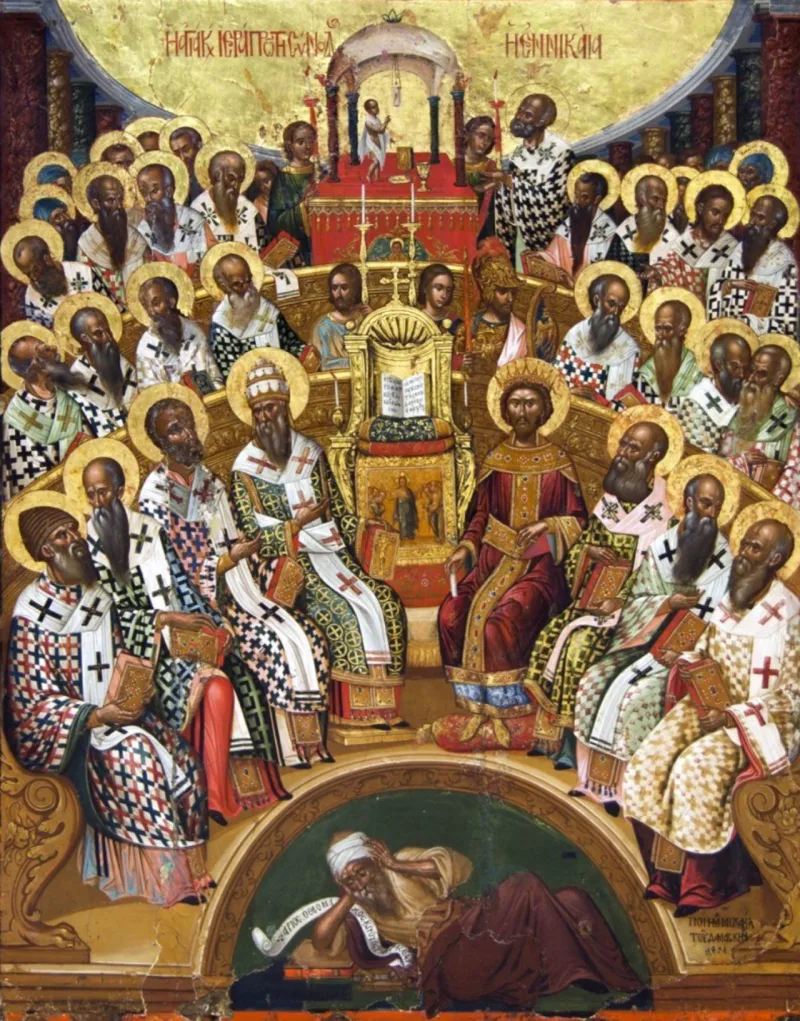
Constantine and the Council of Nicaea in 325 picked the four Gospels and buried the rest. That is false.
And you do not have to take a Christian's word for it. Bart Ehrman wrote a book correcting it.
Nicaea argued about Arianism. No list of books was on its agenda.
What actually happened
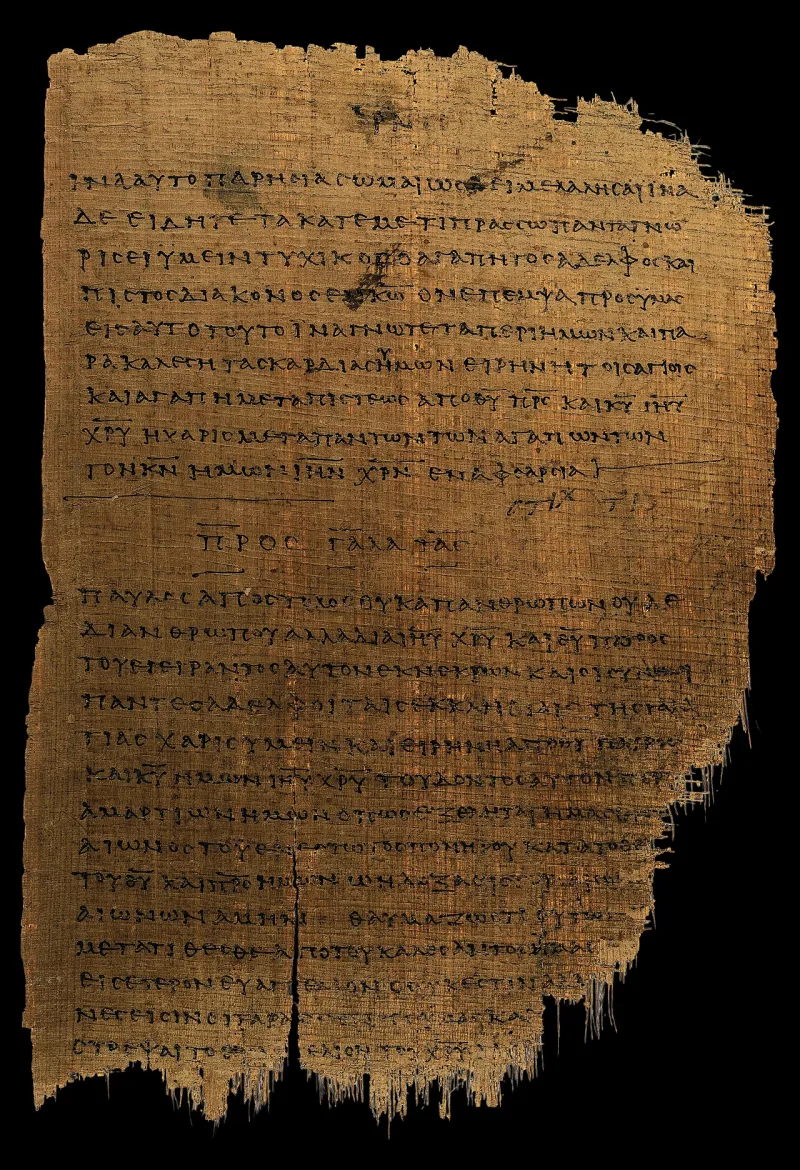
Paul's letters were moving as a set by the early second century. P46, from about AD 200, is a bound book of them.
2 Peter 3:16 already calls them "scriptures." Around 180, Irenaeus treats the four Gospels as settled and obvious. The Muratorian fragment, dated about 170-200 by most, lists most of the New Testament.
The tests were public. Apostolic link, wide use, and fit with the faith already received.
The other gospels, and the wobbly edges
The Gnostic gospels are second-century or later. No church used them widely.
Nobody dates them within witness range. But the edges did wobble, and say so.
Hebrews, Revelation and 2-3 John were argued over into the fourth century. Hermas and Barnabas were read in some churches.
A list from AD 367 finally matches the New Testament you own.
Their answer, at full strength
Serious skeptics drop Dan Brown and pick up Walter Bauer. Earliest Christianity was wildly varied, with Marcionites, Ebionites and Valentinians.
"Orthodoxy" is just the name of the side that won and then wrote the history. The tests look circular too.
Apostolic and orthodox were judged by the very standard being defended. Some scholars think the Gospel of Thomas keeps early sayings of its own.
And if the right books were obvious, why two centuries of argument about Revelation?
How strong is this argument?
Granted on the load-bearing part. No serious scholar defends the Nicaea story, and Ehrman debunks it in print.
That makes him the perfect person to cite. The Bauer thesis is real but weaker than its reputation.
The four Gospels were dominant early and over a wide area. Concede the wobbly edges cheerfully.
Michael Kruger is worth reading on the rest.
What to say
"The Nicaea story isn't true, and my source for that is Bart Ehrman, not a pastor."
How they answer this — at its strongest
Orthodoxy is just the side that won, they say, and then wrote the history.
The scholarly skeptical version drops Dan Brown and picks up Walter Bauer. The earliest church was wildly mixed: Marcionites, Ebionites, Valentinians. On this view 'orthodoxy' is just the name of the side that won. It then wrote the history, made its own texts the canon, and called the tests fair.
Those tests look circular. 'Apostolic' and 'orthodox' were judged by the very standard being defended. And some scholars hold that the Gospel of Thomas keeps early Jesus sayings of its own.
The wobbling edges spoil the tidy story too. Churches argued about Revelation and Hebrews for two hundred years. If the right books were obvious, why the long dispute?
The verdict
Conceded — no scholar defends the Nicaea myth, and Ehrman says so in print.
Conceded for the load-bearing claim. No serious scholar, however skeptical, defends the Nicaea-canon myth. Ehrman debunks it in print, which makes him the perfect source to cite.
The Bauer counter is real, but weaker than its name suggests. The four Gospels were dominant early, and over a wide area, and that is hard for it to explain.
Correcting the Da Vinci folklore gently, with Ehrman as your source, builds trust with skeptics who picked it up from the culture. Concede the wobbly edges cheerfully. Michael Kruger's work covers them.
Sources
- Bart Ehrman, Truth and Fiction in The Da Vinci Code
- Wikipedia, 'Development of the New Testament canon'
- Wikipedia, 'Muratorian fragment'
- Michael Kruger, Canon Fodder