Pilate's name in stone, Caiaphas's bones in a box
ConcededSkeptical scholars grant this themselves. Argue it from their sources, not yours.
The evidence
Names in stone
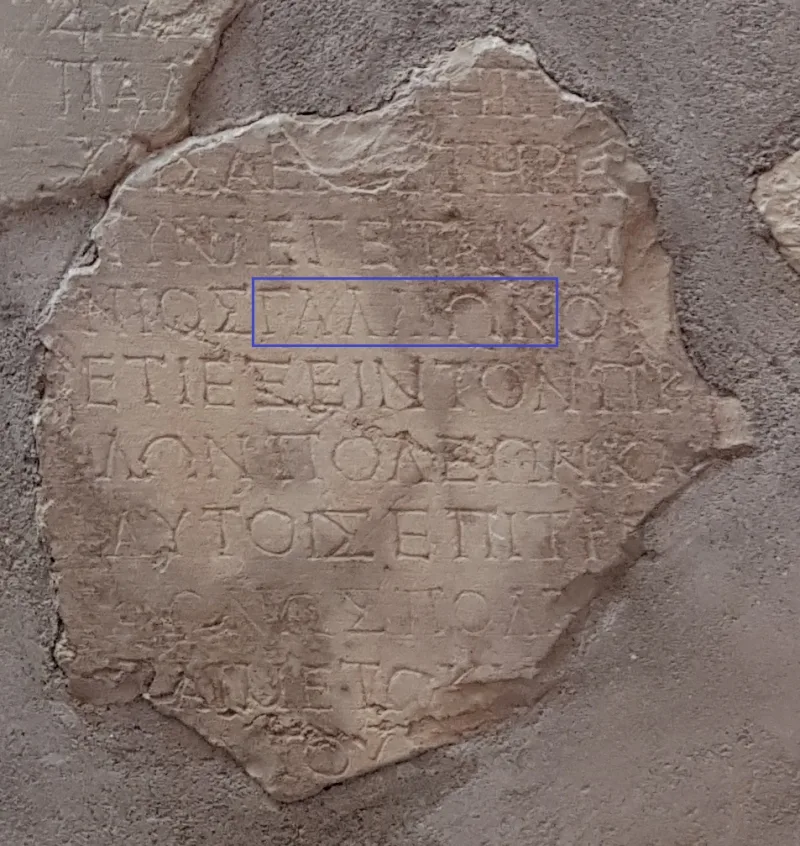
In 1961 a block of stone at Caesarea Maritima turned up with Pontius Pilate's name on it. It gives his title as prefect of Judea.
That is the right one for his years. Tacitus got it wrong and wrote procurator.
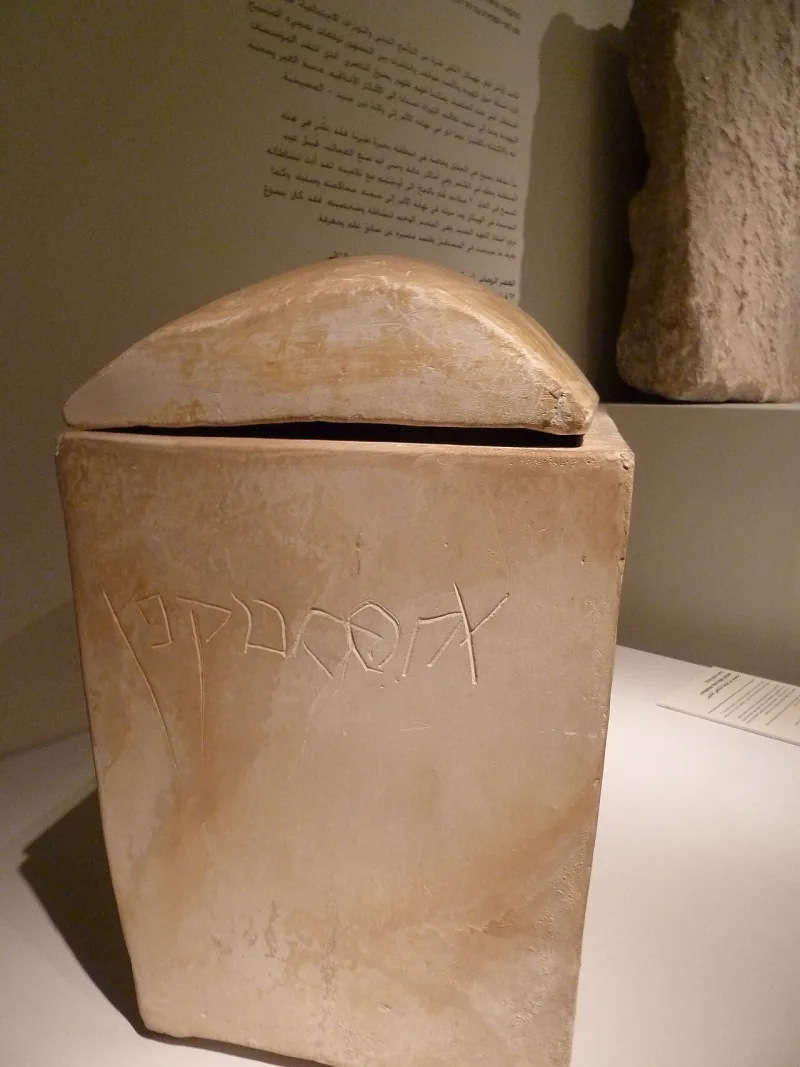
In 1990 a carved bone-box marked "Joseph son of Caiaphas" was found in Jerusalem. Very likely the high priest of the passion story.
John's pools
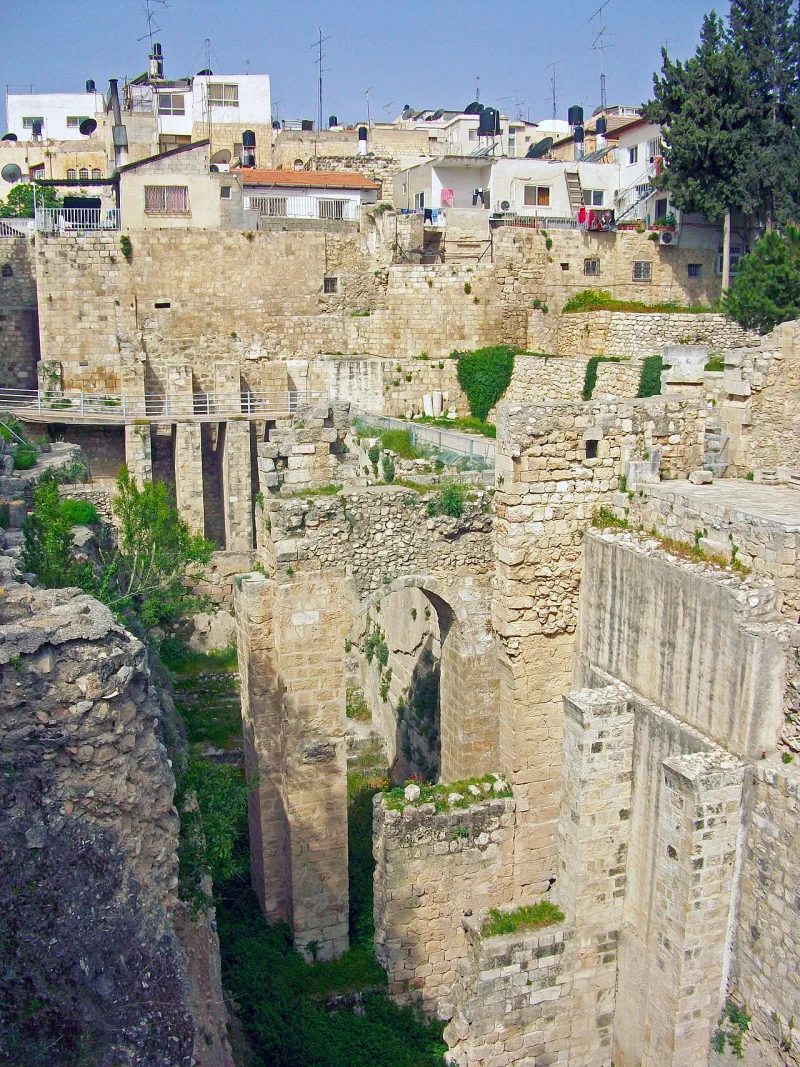
John's Gospel was long accused of inventing its geography. It describes a Pool of Bethesda with five colonnades, which is an odd number for a building.
Excavation found a double pool. Four porticoes around it, and one across the middle.
Five. The Pool of Siloam of John 9 was uncovered in 2004, during a sewer repair.
Nazareth
René Salm and other online mythicists claim Nazareth did not exist in the first century. It is settled.
A house from that century was dug up and published in 2009 by the Israel Antiquities Authority. There are the Nazareth Village Farm remains.
And a stone list from Caesarea names the town among the priestly courses. The claim is so weak that Tim O'Neill, an atheist, debunks it to keep his own side honest.
Their answer, at full strength
Accurate scenery is not accurate miracles. Gone with the Wind gets Atlanta right.
The serious version runs like this. John's local knowledge shows his tradition carries real memory of Jerusalem before AD 70.
Critical scholars grant that and still date the Gospel to about 90-110, with no witness as author. Local colour survives in communities, not only in witnesses.
The Caiaphas identification is debated, since the spelling and the tomb's plainness give some scholars pause. And Pilate and Caiaphas were famous.
A story set in Judea could hardly miss them.
How strong is this argument?
Granted. Every find here is real, published and undisputed in its essentials.
Cite O'Neill on Nazareth rather than an apologist. It lands harder.
Frame the whole thing as slow erosion of the late-fantasy picture. Texts wrong about everything do not keep being right about porticoes and job titles.
Concede freely that stones confirm settings, not signs. Peter J. Williams collects more of this.
What to say
"John said the pool had five colonnades. People called that a mistake for centuries.
Then they dug it up."
How they answer this — at its strongest
Getting the streets right is not getting the miracles right, they say.
Accurate scenery is not evidence of accurate miracles. Gone with the Wind gets Atlanta right. The serious version runs like this. John gets the places right because his tradition holds real memory of Jerusalem before 70 AD. Critical scholars grant that happily. They still date the Gospel to about 90-110, and still deny that an eyewitness wrote it. Local colour survives in a community, not only in a witness.
The Caiaphas bone-box is likely his, but it is debated. The spelling on it, and the plainness of the tomb, give some scholars pause. Pilate and Caiaphas were famous men, and a story set in Judea could hardly miss them.
Getting the cast list right is the floor of good history, not the ceiling. No pool ever dug up a healing.
The verdict
Conceded — cite the atheist historians, and grant that stones confirm settings, not signs.
Conceded. Every find listed is real, published and uncontested in its essentials. The debunking of Nazareth mythicism comes best from atheist historians. Cite Tim O'Neill, not an apologist, for maximum effect.
Frame the whole set as slow erosion of the 'Gospels as late fantasy' picture. Texts wrong about everything do not keep being right about porticoes and prefects' titles. Concede freely that stones corroborate settings, not signs. Peter J. Williams collects more of this kind of detail.
Sources
- Wikipedia, 'Pilate stone'
- Wikipedia, 'Caiaphas ossuary'
- Wikipedia, 'Pool of Bethesda'
- Tim O'Neill, History for Atheists (atheist debunking of Nazareth mythicism)
- Peter J. Williams, Can We Trust the Gospels? (onomastics and local detail)